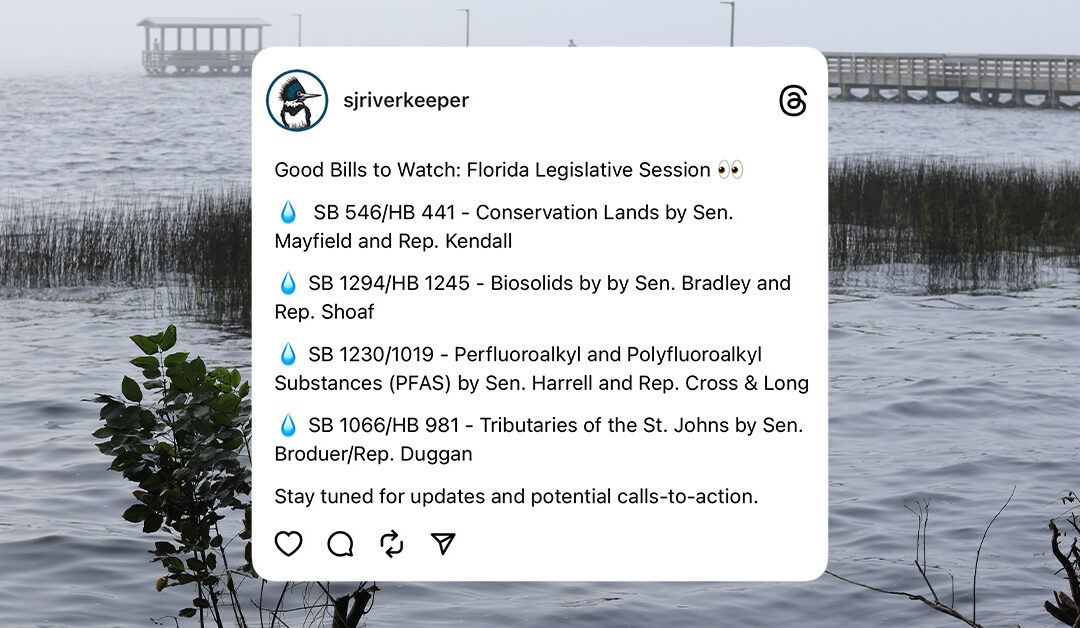

Blog
Nutrients
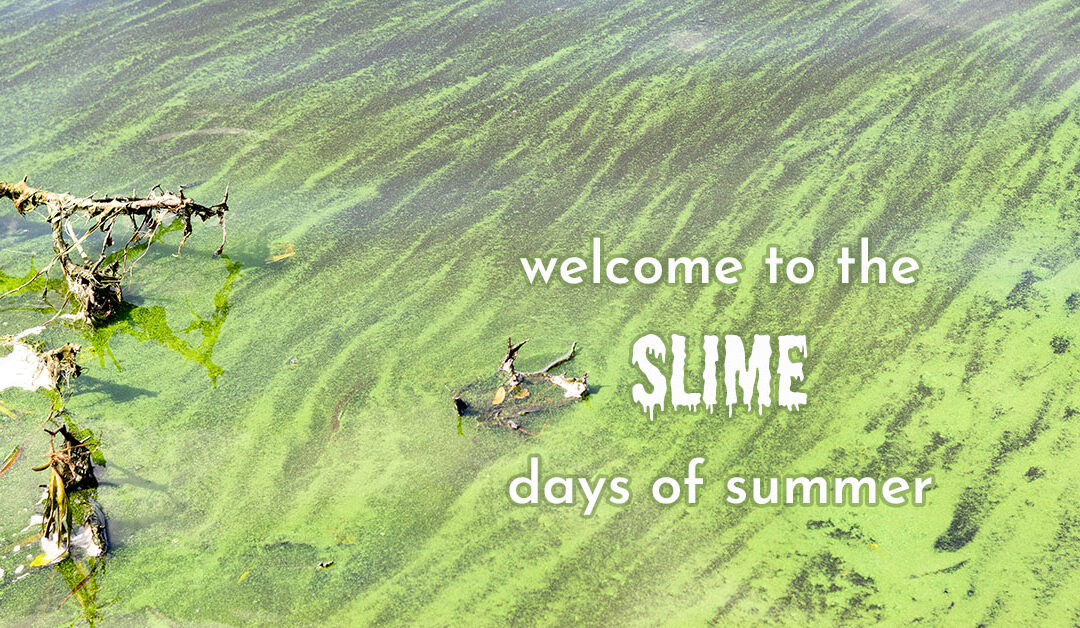
Welcome to the Slime Days of Summer
In the heat of late summer, many Florida waterways are coated with fluorescent green slime that can be highly toxic to humans and wildlife. Excess nitrogen and phosphorus pollution driven by agricultural runoff, sewage discharges, and excess fertilizer use trigger...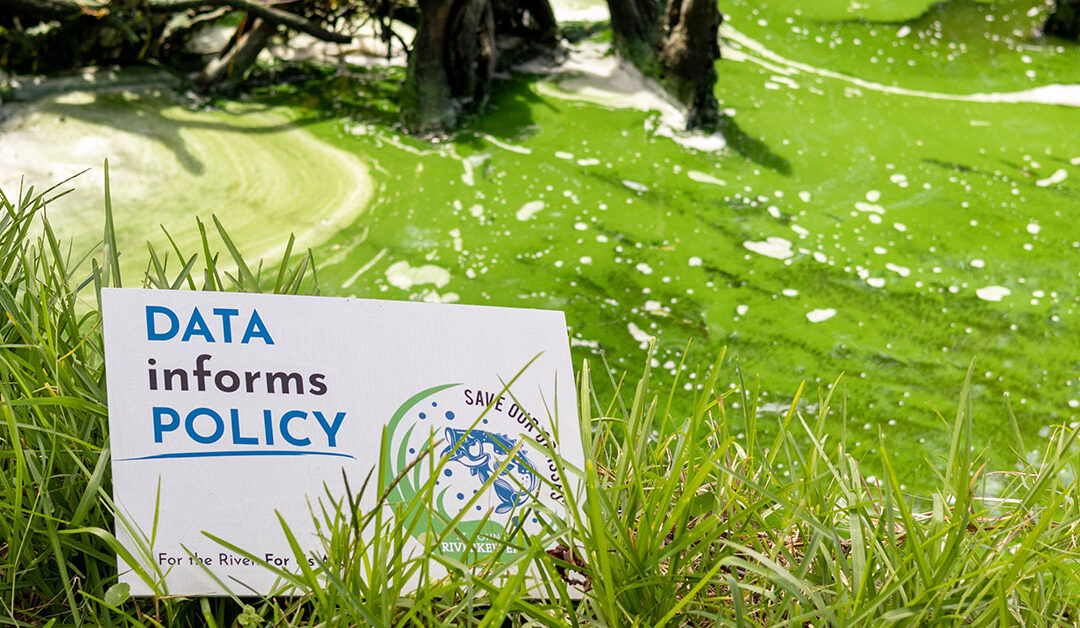
New Report Finds Majority of Florida Waterways Fail Water Quality Standards
State Pollution Enforcement Actions Remain Near Historic Lows as Population Explodes A new report released by Public Employees for Environmental Responsibility (PEER) and Waterkeepers Florida finds that the majority of Florida’s waterways are failing to meet state...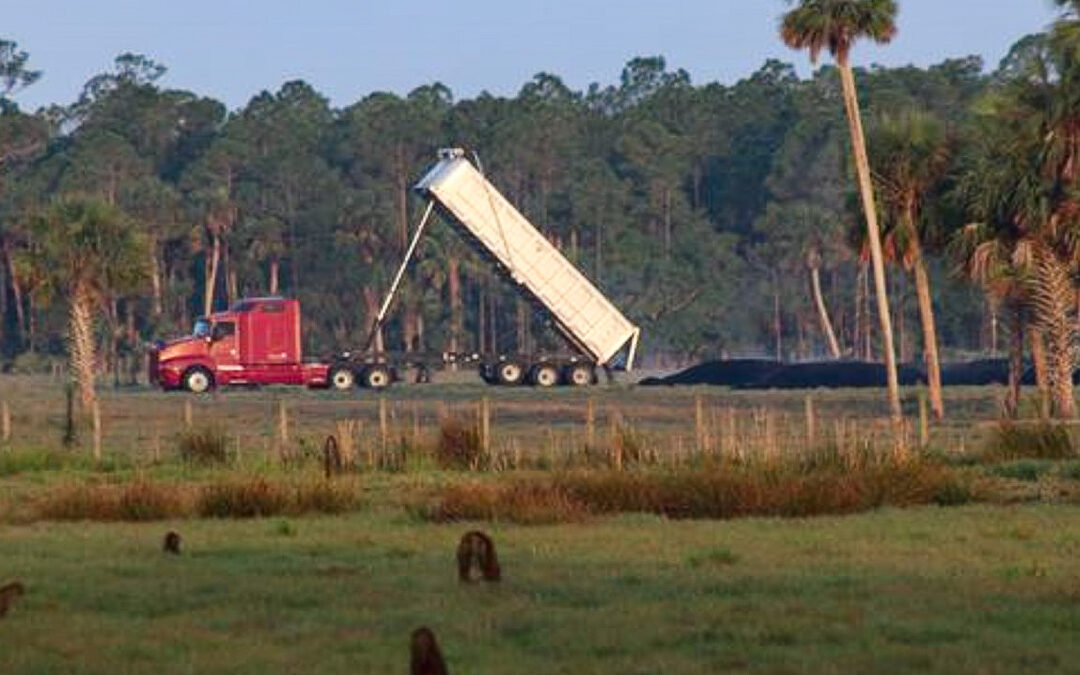
Sewage Sludge Setback: Governor Vetoes Biosolids Bill
Yesterday, June 30, Governor DeSantis vetoed the bipartisan Biosolids Management Bill, which passed the Florida House and Senate unanimously. This bill would have ensured that increased production of Class AA Biosolids does not result in increased nutrient pollution...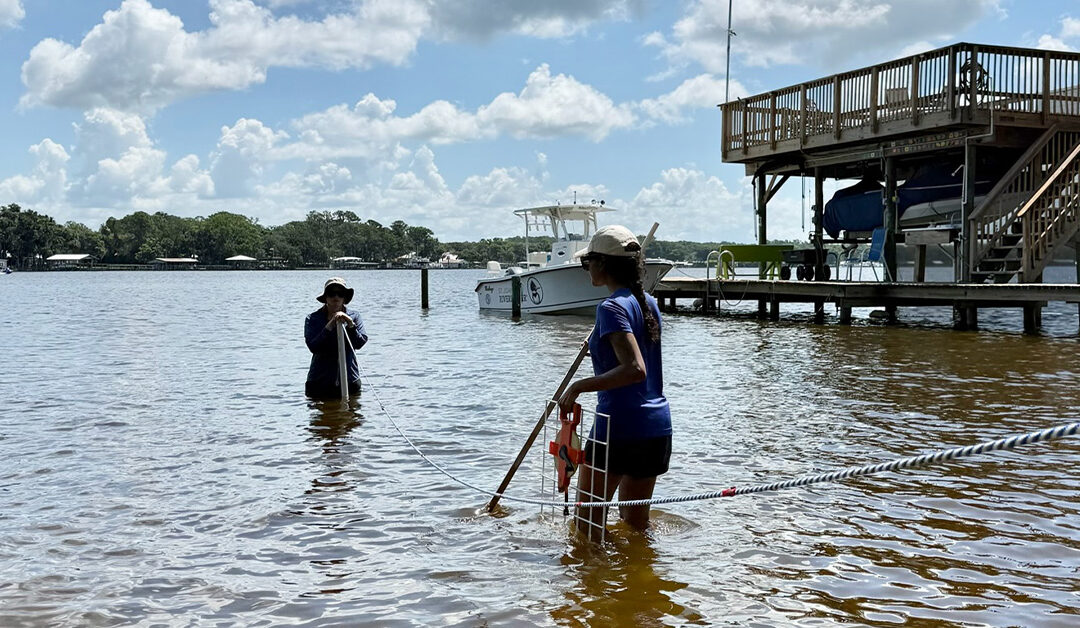
May 2026 SAVe Our River’s Grasses Expedition
From May 19–22, St. Johns Riverkeeper (SJRK) surveyed its 80-mile study reach in the lower St. Johns River, marking the beginning of the fourth year of the SAVe Our River’s Grasses Expedition. This long-term effort is focused on documenting the remaining submerged...
SJRK Responds: Plan for the Upper Basin and Indian River Lagoon
SJRK responds to the St. Johns River Water Management District’s (SJRWMD) plan for the Upper Basin of the St. Johns River and the Indian River Lagoon On February 27, the St. Johns River Water Management District released its first ever plan for the Upper Basin...
State of the Watershed
St Johns RIVERKEEPER recently hosted a State of the Watershed event to inform and engage our river community. Lisa Rinaman, our St. Johns Riverkeeper, provided an important update on the St. Johns River: its current health, the challenges it faces, and the real...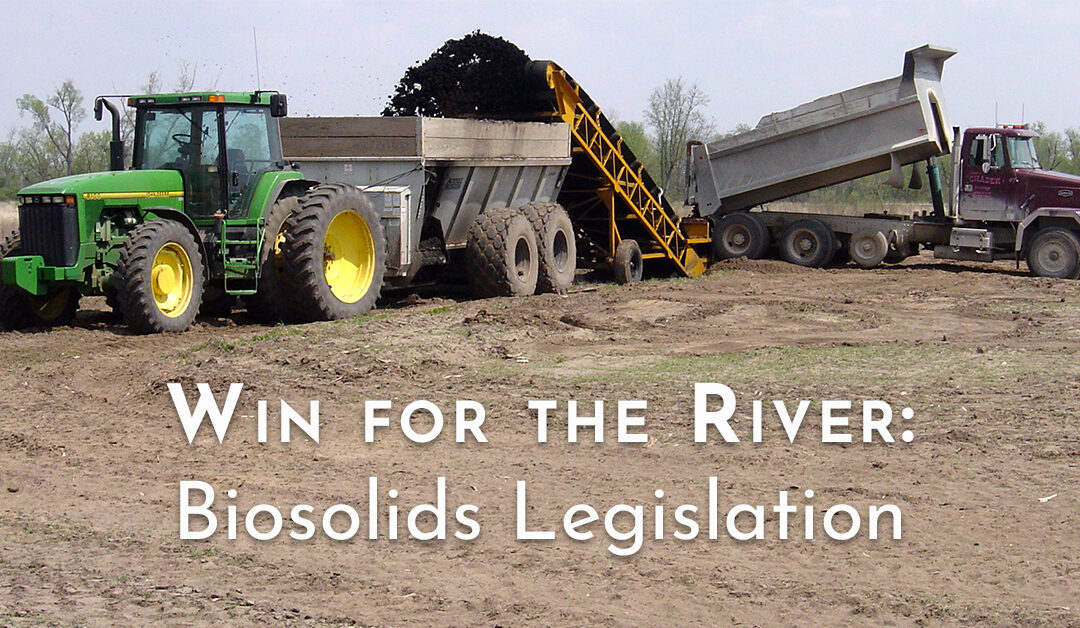
Win for the River: Biosolids Legislation
The Florida Legislature delivered a huge win for the St. Johns this year, with the most significant sewage sludge (aka biosolids) reform package in nearly 20 years. To protect farm and ranch families from land/crop/cattle contamination, the Department of Agriculture’s...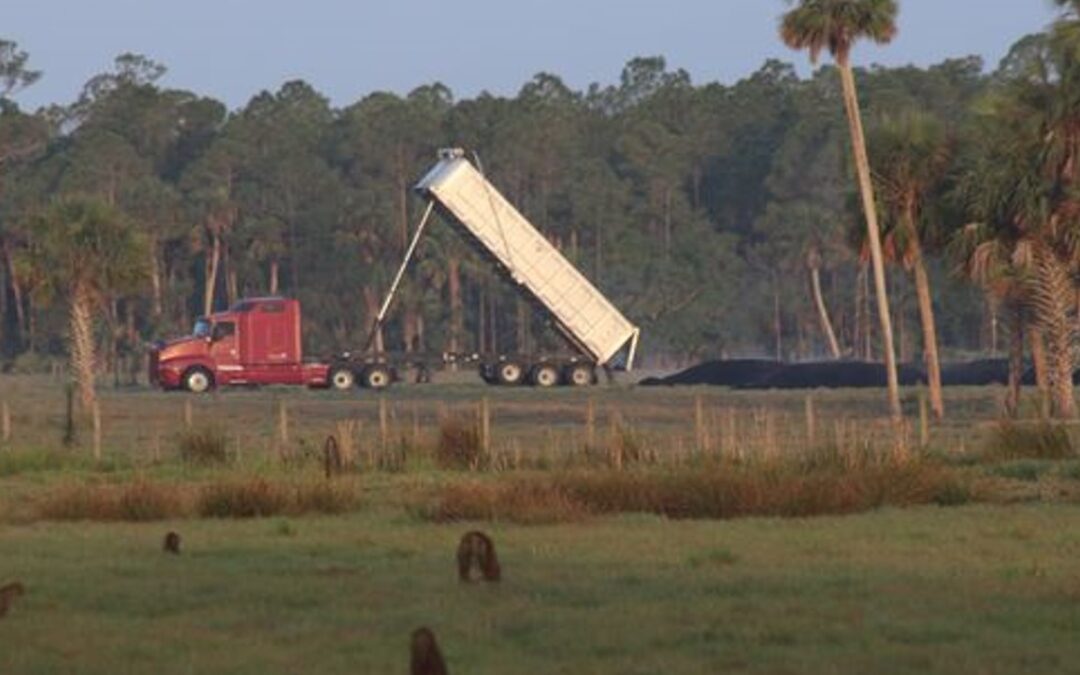
Support Better Biosolids Legislation
For nearly two decades, more than 70,000 tons of sewage sludge (aka Class B biosolids) on average has been annually permitted to be disposed of within the Upper Basin of the St. Johns River. Sewage sludge has been harming our river for long enough. It’s time to fix...