
Blog
Bacteria
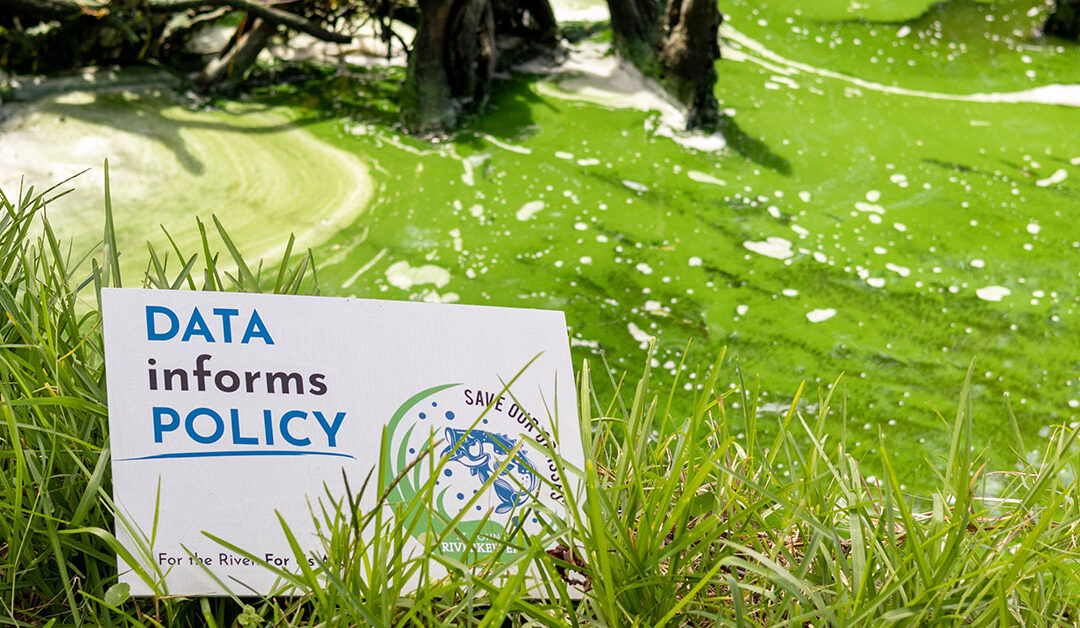
New Report Finds Majority of Florida Waterways Fail Water Quality Standards
State Pollution Enforcement Actions Remain Near Historic Lows as Population Explodes A new report released by Public Employees for Environmental Responsibility (PEER) and Waterkeepers Florida finds that the majority of Florida’s waterways are failing to meet state...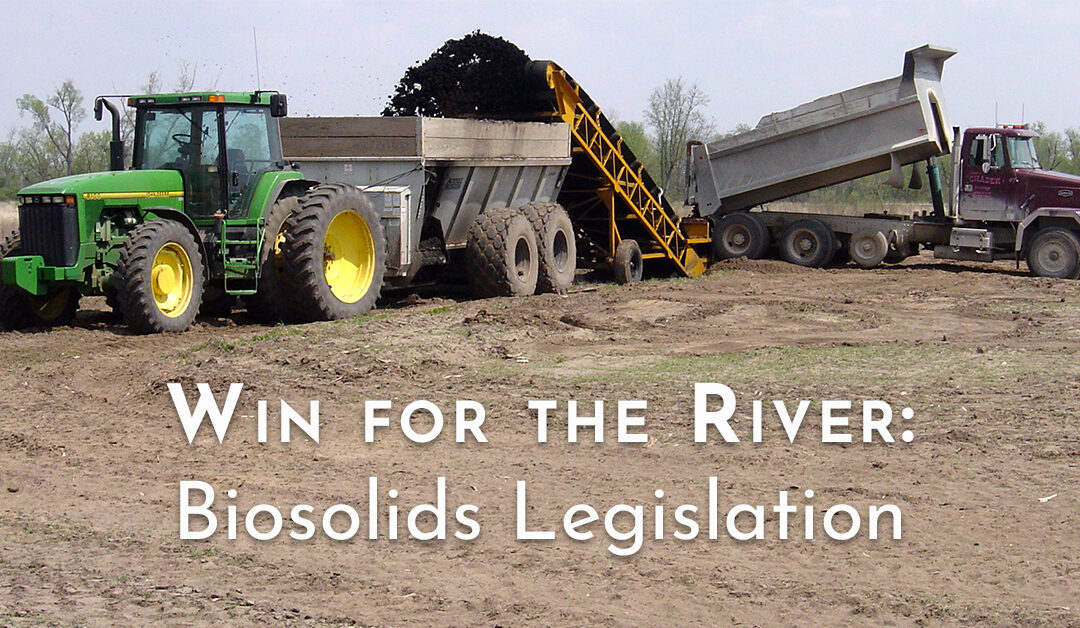
Win for the River: Biosolids Legislation
The Florida Legislature delivered a huge win for the St. Johns this year, with the most significant sewage sludge (aka biosolids) reform package in nearly 20 years. To protect farm and ranch families from land/crop/cattle contamination, the Department of Agriculture’s...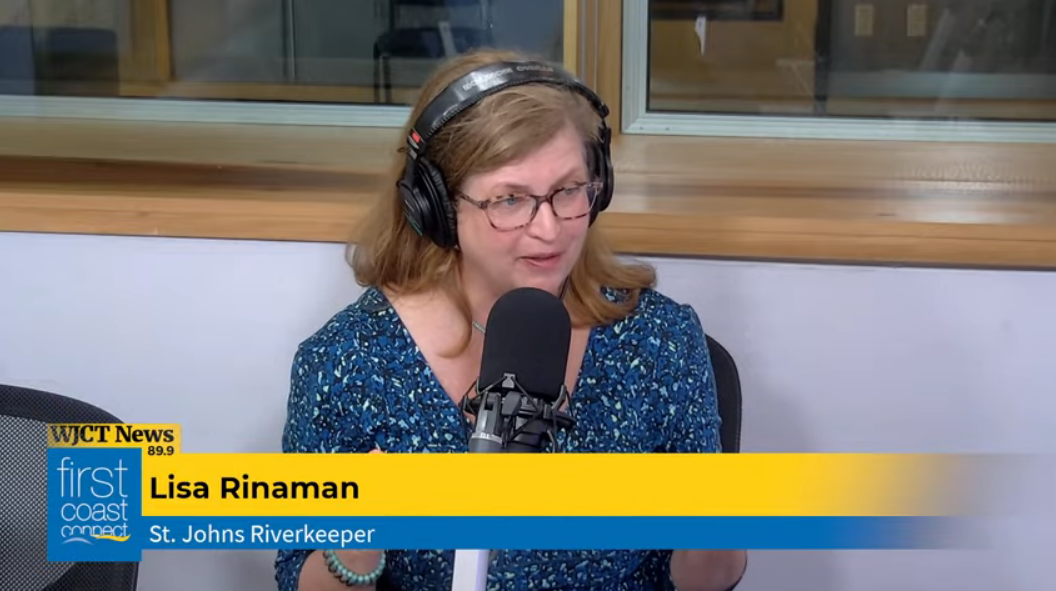
State of the River: WJCT Interview
The St. Johns Riverkeeper, Lisa Rinaman, joins adjunct professor for the Department of Biology and Marine Science at Jacksonville University, Dr. Gerry Pinto, for an interview with WJCT’s Anne Schindler focusing on the 2026 Lower St. Johns River Report (view the...
South FL Transfers $1 Billion Clean Up Liability to St. Johns River Watershed
from Lisa Rinaman, your St. Johns Riverkeeper Florida produces more than 385,000 dry tons of sewage sludge every year and a disproportionate share of this sh!# is dumped in the Upper St. Johns River Basin. In Florida, most sewage sludge is classified as either Class...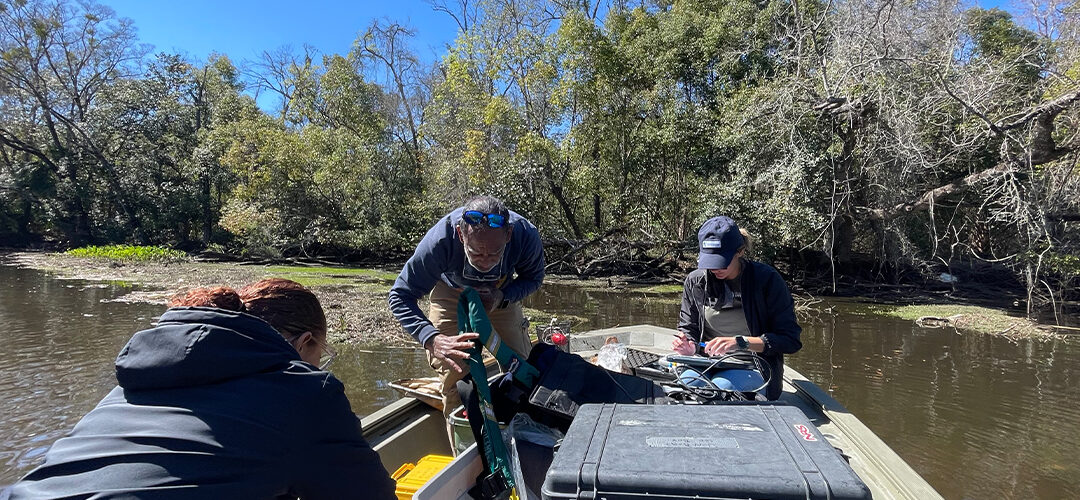
Resilient Ribault: Environmental Quality Assessment Underway
Resilient Ribault St. Johns Riverkeeper is intentionally focusing time and resources into the Ribault River, Trout River, and Moncrief Creek watersheds as part of the Resilient Ribault project in an effort to improve water quality, community health and neighborhood...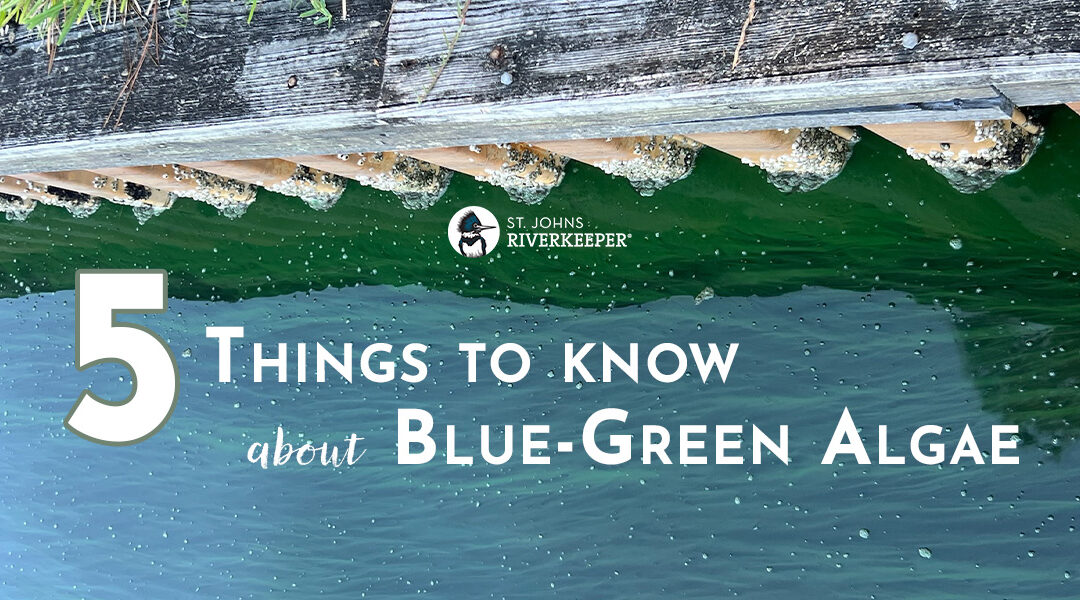
5 Things to Know About Blue-Green Algae
“Algae Season” is, unfortunately, in full bloom in the St. Johns River watershed. Harmful algae blooms (HABs) can prevent sunlight from reaching underwater plants (like the submerged aquatic vegetation we are fighting to SAVe), clog fish gills, and deplete oxygen from...
Sewage Sludge in the St. Johns
Sewage sludge, the waste by-product from treating our wastewater, continues to undermine the health of the St. Johns River at its very source. The Florida Department of Environmental Protection (FDEP) permits the cheap disposal of sewage sludge (aka biosolids) on...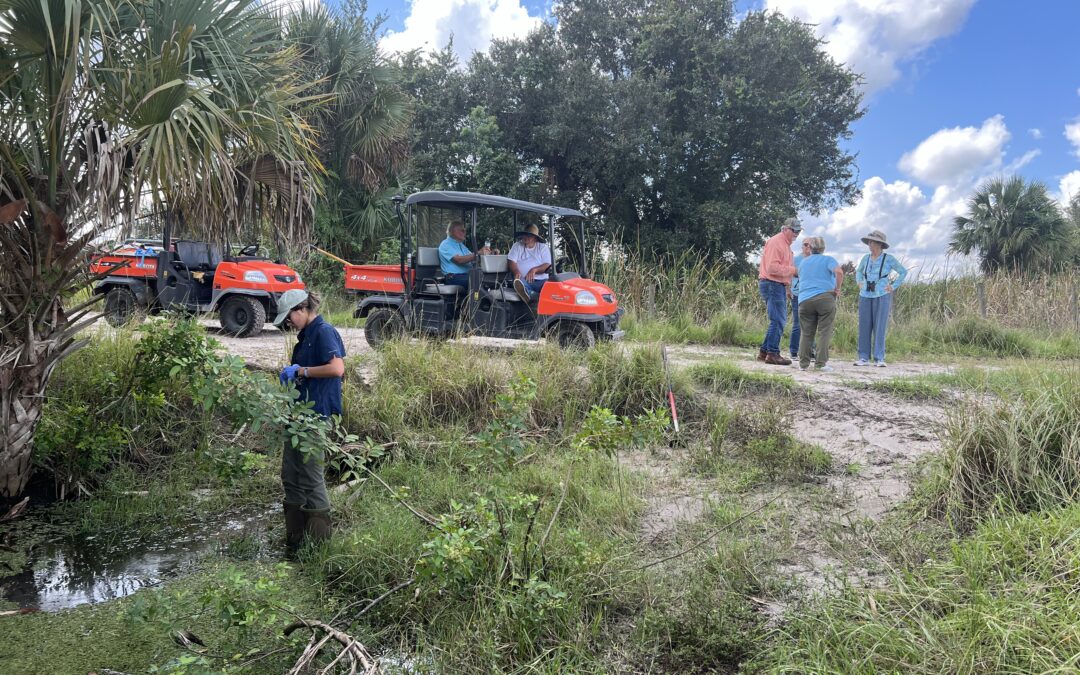
Unpermitted, High-Density Chicken Facility Threatens Our Headwaters
Clean Water Advocates Unite in Indian River County to Protect the Upper Basin of the St. Johns River Clean water advocates united on Thursday over growing concerns regarding an unpermitted high-density chicken facility under construction in the headwaters of the St....