
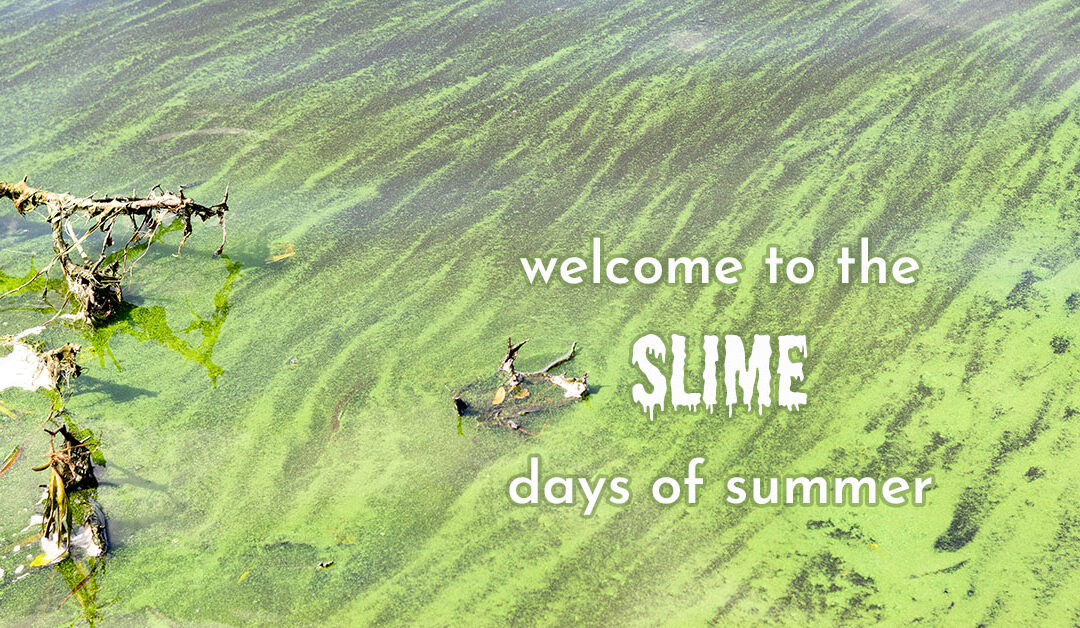
In the heat of late summer, many Florida waterways are coated with fluorescent green slime that can be highly toxic to humans and wildlife. Excess nitrogen and phosphorus pollution driven by agricultural runoff, sewage discharges, and excess fertilizer use trigger these outbreaks under the right conditions.
Too many Floridians accept these contaminated outbreaks as a normal late summer occurrence, unaware of the potential health impacts from chronic exposure to the toxins that HABs can produce.
The Florida Department of Health warns us to steer clear from lakes and rivers with active harmful algae blooms (HABs). Water infested with blue-green algae is not safe to swim in, play in or drink because of harmful toxins.
New research from the Brain Chemistry Labs and Florida’s Calusa Waterkeeper presents evidence that toxins produced by HABs are also aerosolized and potentially being inhaled by people far from the actual contaminated water bodies. All samples collected also contained the neurotoxin 2,4-DAB, the same cyanobacterial toxin found in dolphins with Alzheimer’s-like brain damage.
While we can steer clear of waterways, Floridians must breathe.
During the July 2026 SAVe Our River’s Grasses Expedition, we had to take precautions to protect our team from the widespread presence of cyanobacteria.
Analysis of samples revealed potentially harmful toxins present at many sites. Toxin levels detected in Colee Cove were 260 times higher than federal safe recreational standards.
Throughout our SAV Expedition route, water clarity was severely reduced by a combination of surface blooms, algae mats, and algae suspended in the water column. This excessive algae growth blocks much needed sunlight to our submerged grasses and turns the St. Johns into a potential health hazard.
A recently released report by Public Employees for Environmental Responsibility (PEER) and Waterkeepers Florida finds that the majority of Florida waterways are failing to meet water quality standards while environmental enforcement remains far below historical levels.
This is why we continue to advocate for protective policies that stop pollution at its source, stronger enforcement of environmental laws and more transparency regarding the state of our river. However, we can’t do this work without you and your voice.
Remember this as you head to the ballot box. Your vote matters.