
Blog
Nutrients
Support Better Biosolids Legislation
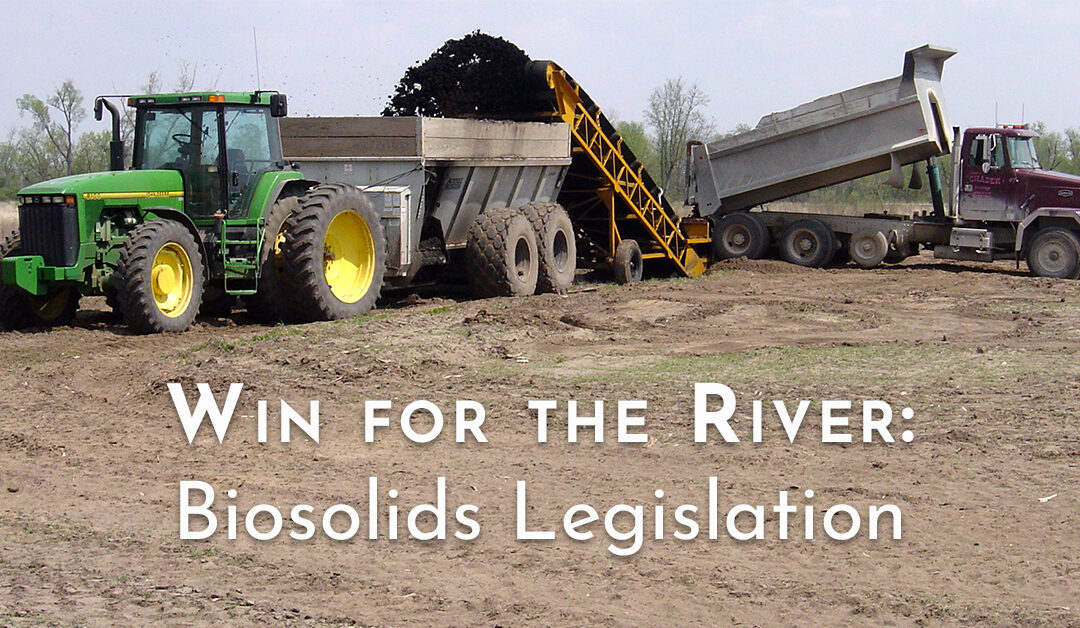
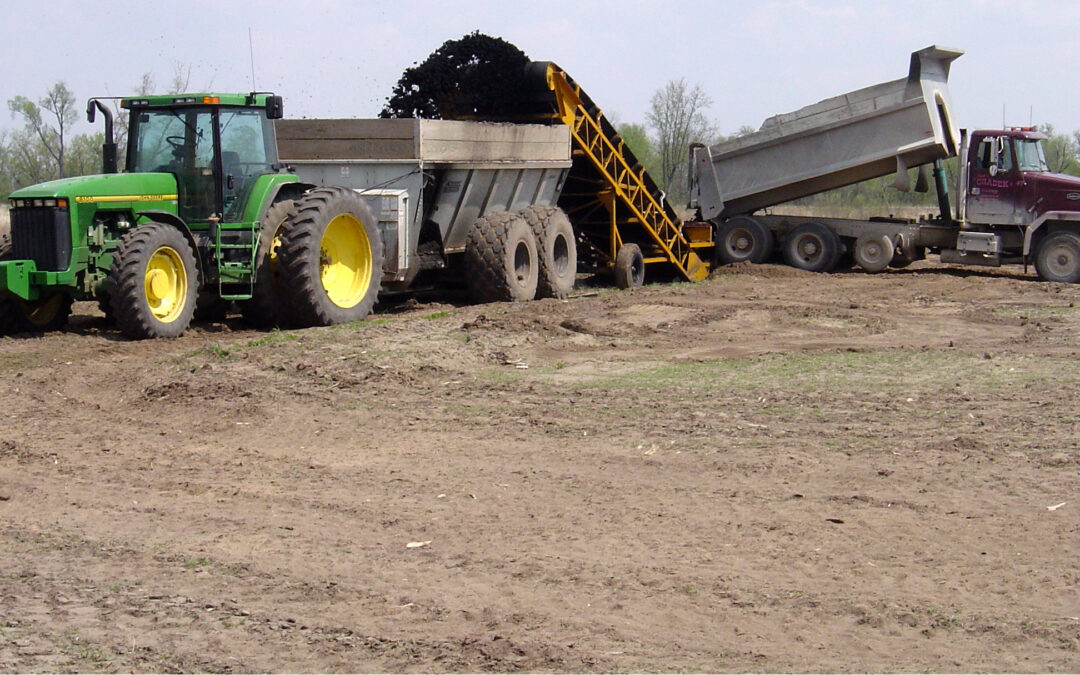
For nearly two decades, more than 70,000 tons of sewage sludge (aka Class B biosolids) on average has been annually permitted to be disposed of within the Upper Basin of the St. Johns River. Sewage sludge has been harming our river for long enough. It’s time to fix...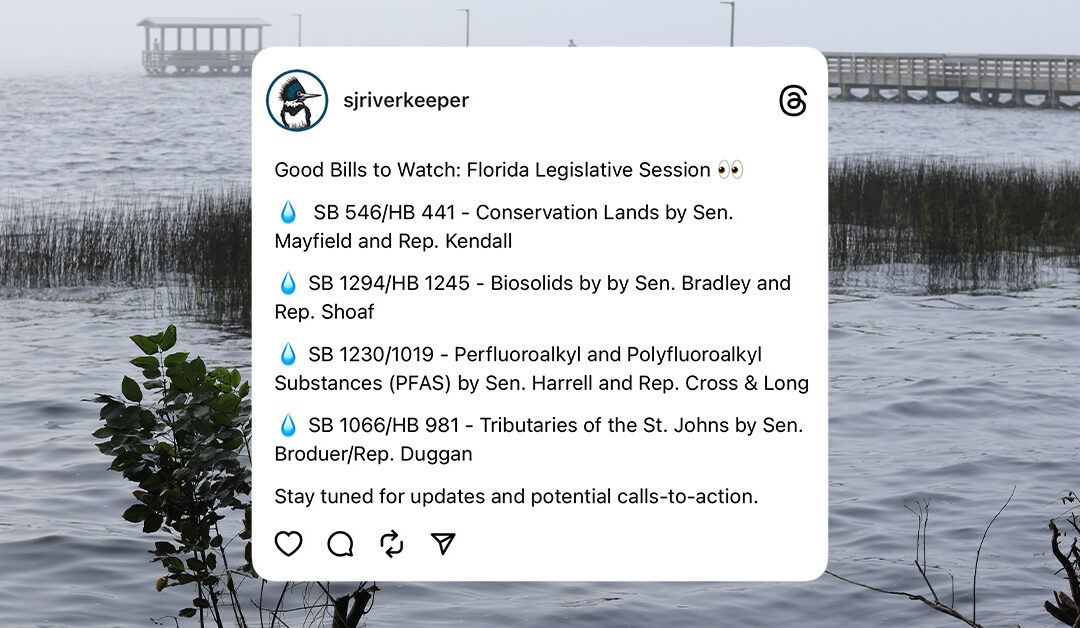
Good Bills to Watch: Florida Legislative Session
Here are some “good bills” we’re tracking & advocating for in Tallahassee this Florida Legislative Session. These bills made their way through legislative committees this week and will continue through the legislative session: SB 546/HB 441...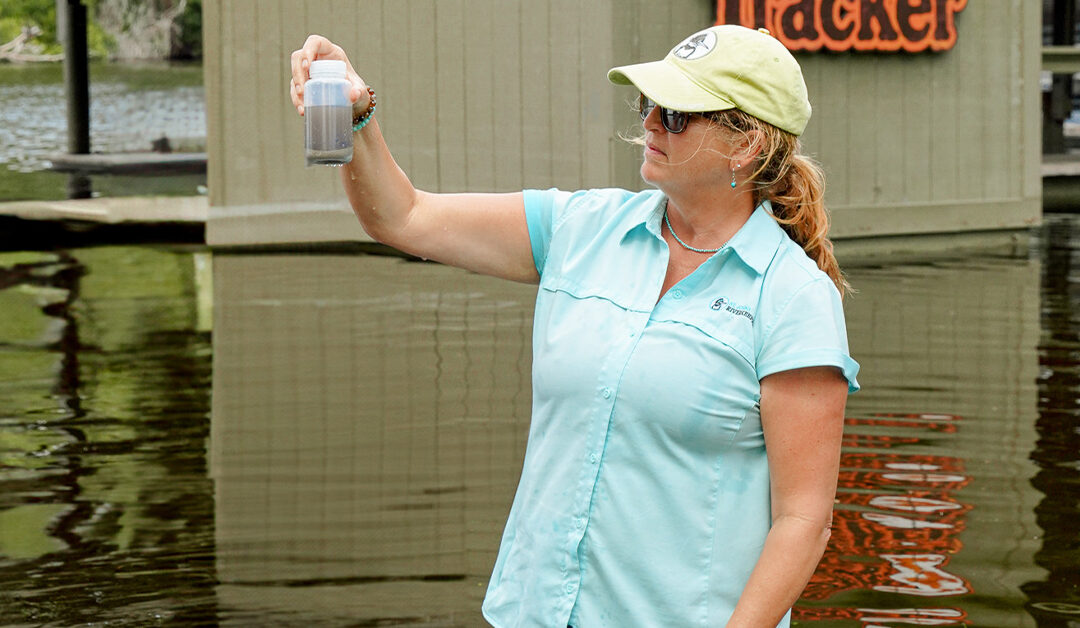
PFAS In Our Waterways
A recent Waterkeeper Alliance monitoring project confirmed per- and polyfluoroalkyl substances (PFAS) are persistent in U.S. waterways. PFAS, or “Forever Chemicals,” are linked to a variety of health effects including cancer, liver and kidney disease, and harm to...
This Week in the 904 Interview with the St. Johns Riverkeeper, Lisa Rinaman
What is the state of the St. Johns River? What are the current threats to the river? Why is submerged aquatic vegetation (SAV) important? How do we improve SAV growth in the St. Johns? How many springs feed the St. Johns? How will breaching the Rodman/Kirkpatrick Dam...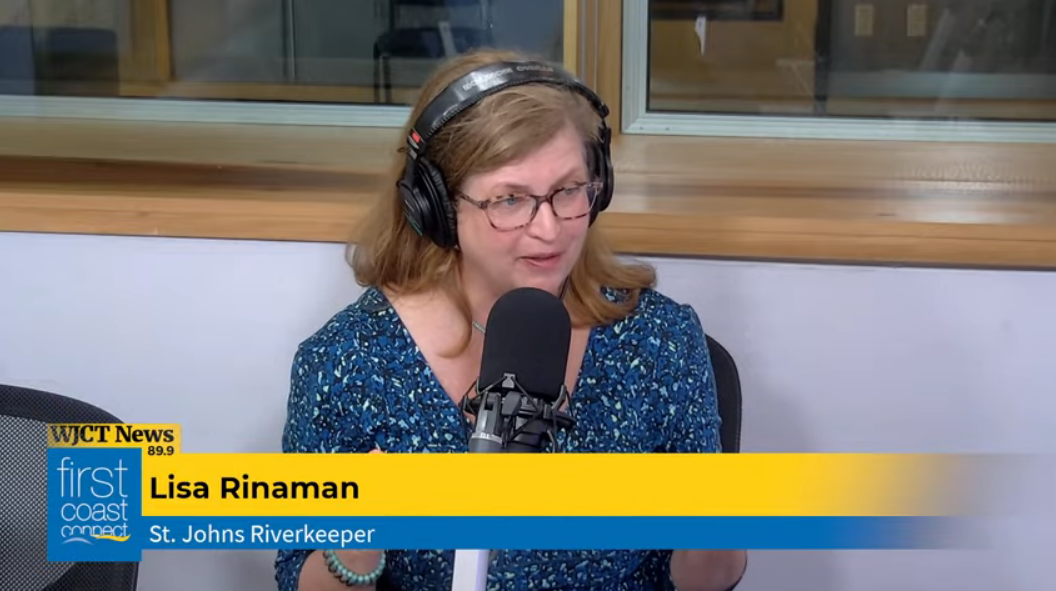
State of the River: WJCT Interview
The St. Johns Riverkeeper, Lisa Rinaman, joins adjunct professor for the Department of Biology and Marine Science at Jacksonville University, Dr. Gerry Pinto, for an interview with WJCT’s Anne Schindler focusing on the 2026 Lower St. Johns River Report (view the...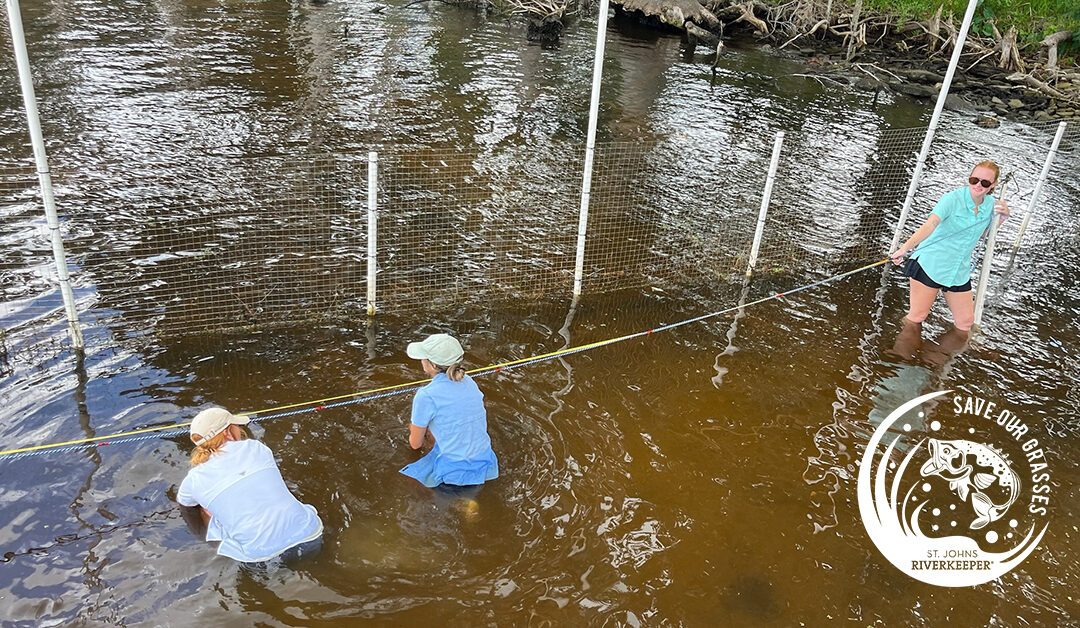
Watershed-Wide Crisis Requires A Watershed Movement
Submerged aquatic vegetation (SAV) is the foundation of our river’s health – providing biofiltration, fish habitat, erosion control, oxygenation of the water column, carbon sequestration and storage, and more. Alarmingly, SAV is struggling throughout the St. Johns...
National Water Quality Month
August is National Water Quality Month, a time to recognize the critical importance of clean water for public health, the environment, and our economy. Safe, unpolluted water supports drinking supplies, agriculture, and healthy ecosystems. This month serves as a...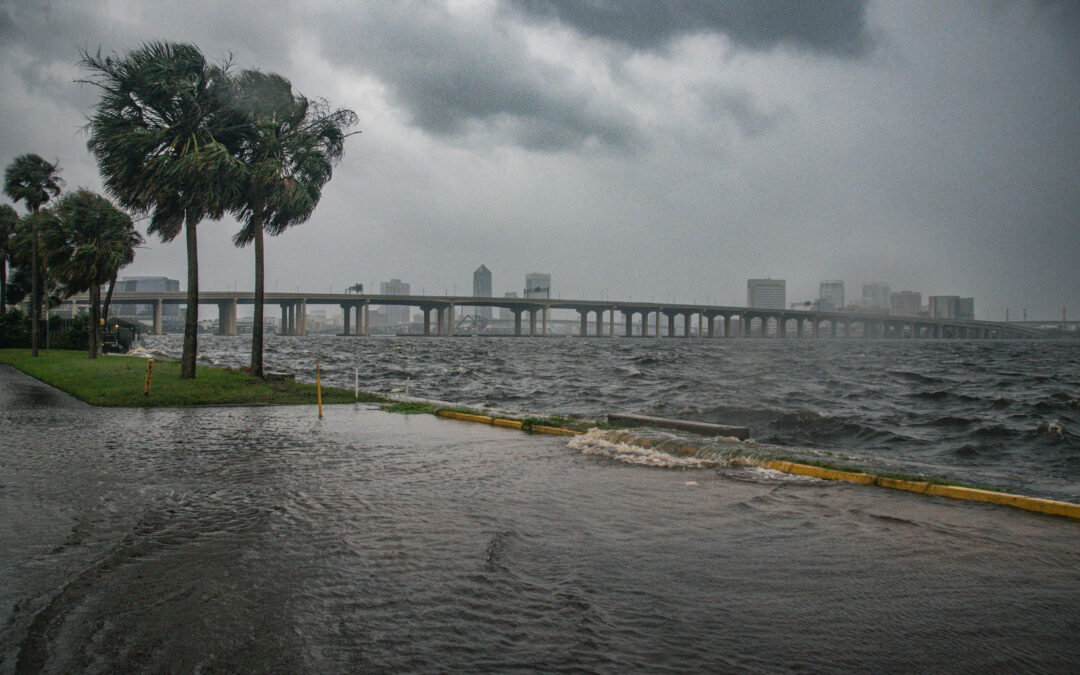
Beyond the Shoreline: Hurricane Preparedness in the St. Johns Watershed
2025 Hurricane Season Outlook As hurricane season enters its peak, the National Oceanic and Atmospheric Administration (NOAA) reports that atmospheric and oceanic conditions continue to support NOAA’s May predictions for an above-normal 2025 Atlantic hurricane...