
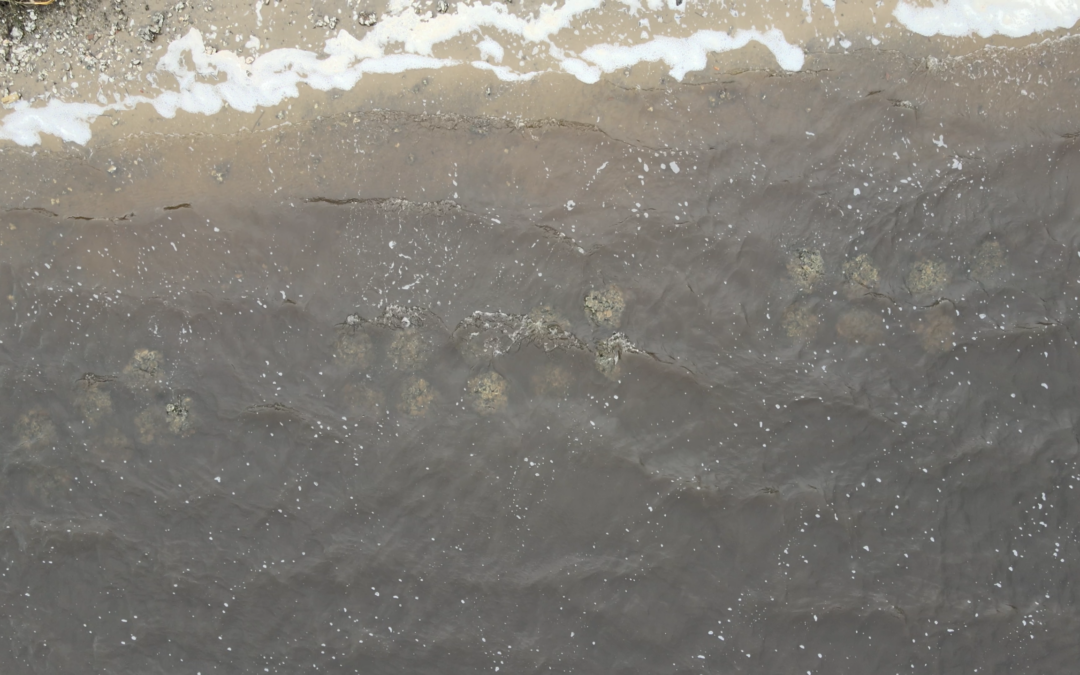
St. Johns Riverkeeper’s vision for the future is simple, but powerful: A thriving St. Johns River Watershed that sustains healthy ecosystems for future generations. We are committed to utilizing nature-based solutions to help make this vision a reality.
In the St. Johns River estuary in Jacksonville, we have been investing in expanded habitat for nature’s water filter: the oyster. A single adult oyster can filter up to 50 gallons of water per day, removing pollutants and excess nutrients from the water. By creating and expanding oyster habitat in areas of the river and her tributaries where we know oysters can thrive, we’re helping the river reclaim its own superpowers to improve water quality.
Vertical Oyster Garden (VOG) Program
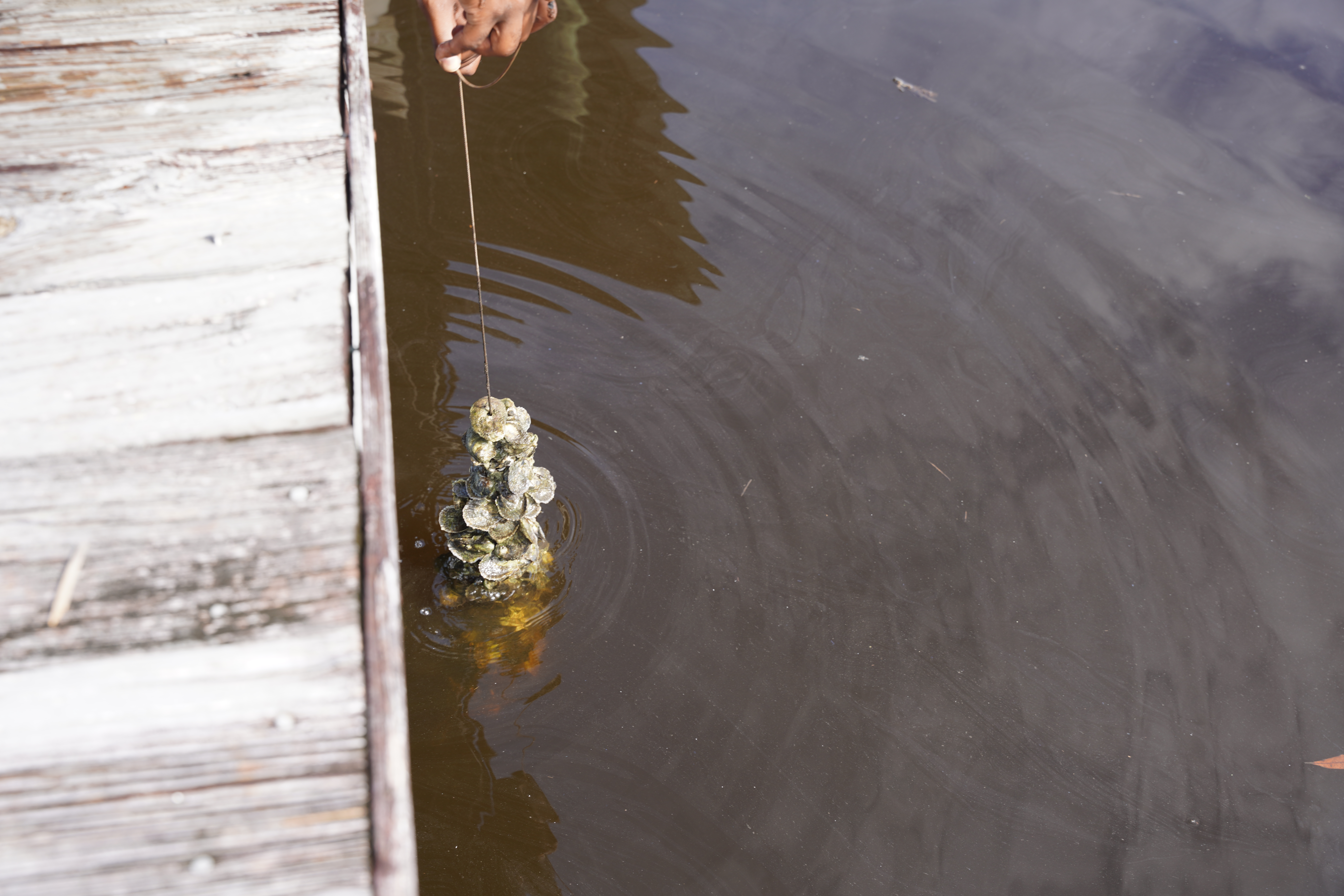 Our VOG Program, launched in partnership with Coastal Conservation Association (CCA) Florida, the Marine Science Research Institute (MSRI) at Jacksonville University, and Riverview Collective Community Organization (RCCO), allows community members to get involved with river restoration in their own backyards.
A vertical oyster garden (VOG) is a strand of recycled oyster shells strung together and suspended from a dock. The VOG attracts new oysters and provides an ideal surface for baby oysters to attach and grow. As the oysters develop, they begin filtering the surrounding water while the VOG is also creating habitat for fish, crabs, and other aquatic life.
We have hosted several VOG creation workshops in Jacksonville with volunteers to get even more community members involved, whether or not they have a dock to deploy their own VOGs. So far, more than 200 VOGs have been deployed on the St. Johns and her tributaries in Jacksonville, including private docks and public parks.
Oyster Reef at Riverview Park
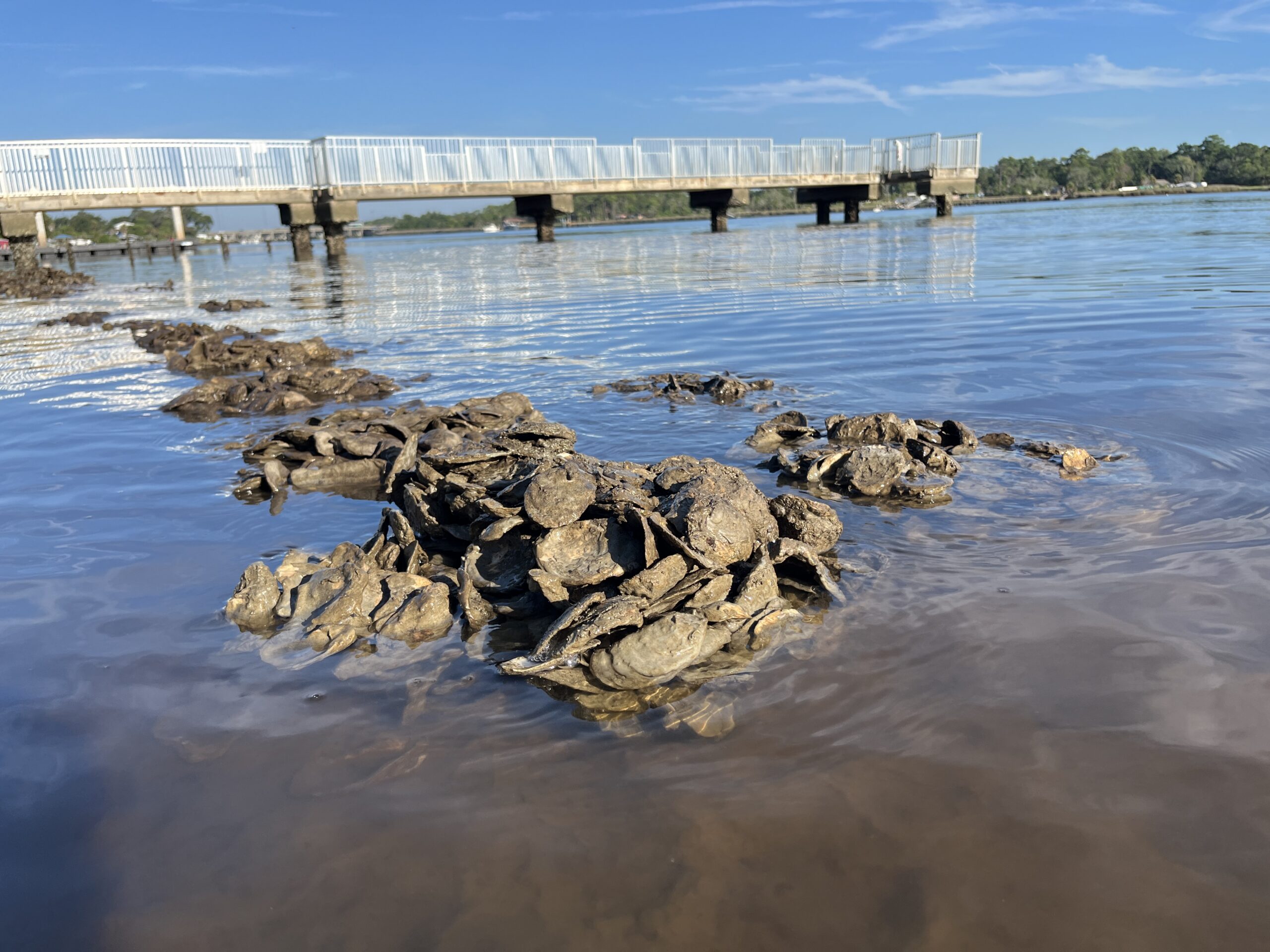 We’ve also supported the installation of a man-made oyster reef at Riverview Park, on the Trout River in Jacksonville. In August 2025, St. Johns Riverkeeper and RCCO volunteers installed 40 Pervious Oyster Shell Habitat (POSH) Modules along the living shoreline at Riverview Park, creating approximately 140 feet of oyster reef along the Trout River.
POSH Modules are 30-pound balls of recycled oyster shells and cement, and similar to VOGs, they create habitat for oysters to grow. These POSH Modules are a simple and effective tool for growing natural oyster reefs and enhancing our waterways.
Oyster reefs have additional benefits, including the fact that they create habitat for hundreds of aquatic species, including commercially and recreationally valuable fish species. They are natural buffers against coastal erosion and storm surges. As oyster shells cluster, they reduce wave energy and help protect shorelines from the full force of storms.
This project was funded by a grant received by LISC Jacksonville from the Northeast Florida Environmental Conservation Fund that was established by St. Johns RIVERKEEPER and Public Trust for Conservation. Funding comes from settlements with industrial facilities illegally discharging polluted stormwater into local waterways. The oyster reef project will improve water quality near one of the facilities that was out of compliance with its permit and contributed to the fund.
Why are these artificial habitats needed?
Oyster reefs are one of the planet’s most imperiled marine habitats, with more than 85% of natural reefs lost due to overharvesting, disease, and pollution. When you look around the river in Jacksonville, you will see much of the riverbank is no longer natural – bulkheads have been installed along much of downtown and even residential areas along the river. Less natural shoreline area means less natural oyster habitat.
These projects are improving water quality in our river over time, and demonstrate the benefits of nature-based solutions. By investing in natural infrastructure and community partnerships, we’re building a cleaner, more resilient future for the St. Johns River – one oyster at a time.