
Blog Archive
2026

Year Four of SAVe Our River’s Grasses Expedition Comes to a Close
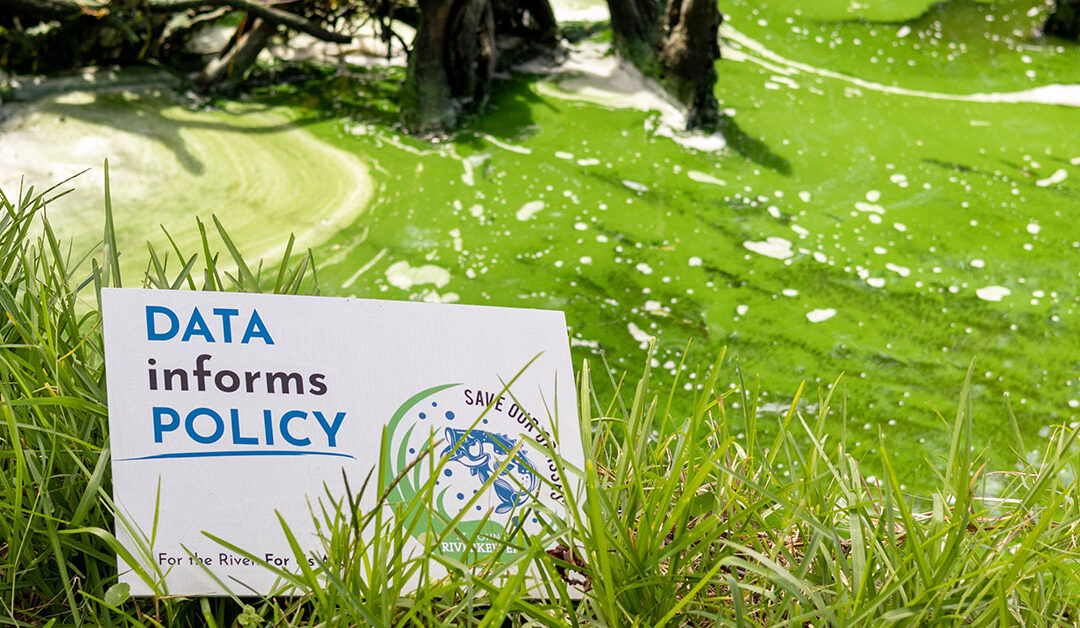
SAV Field Highlights: September 2026 From September 1–4, St. Johns Riverkeeper conducted the final SAVe Our River’s Grasses Expedition survey of 2026, wrapping up year four of this five-year initiative. After the widespread harmful algal blooms (HABs) we encountered...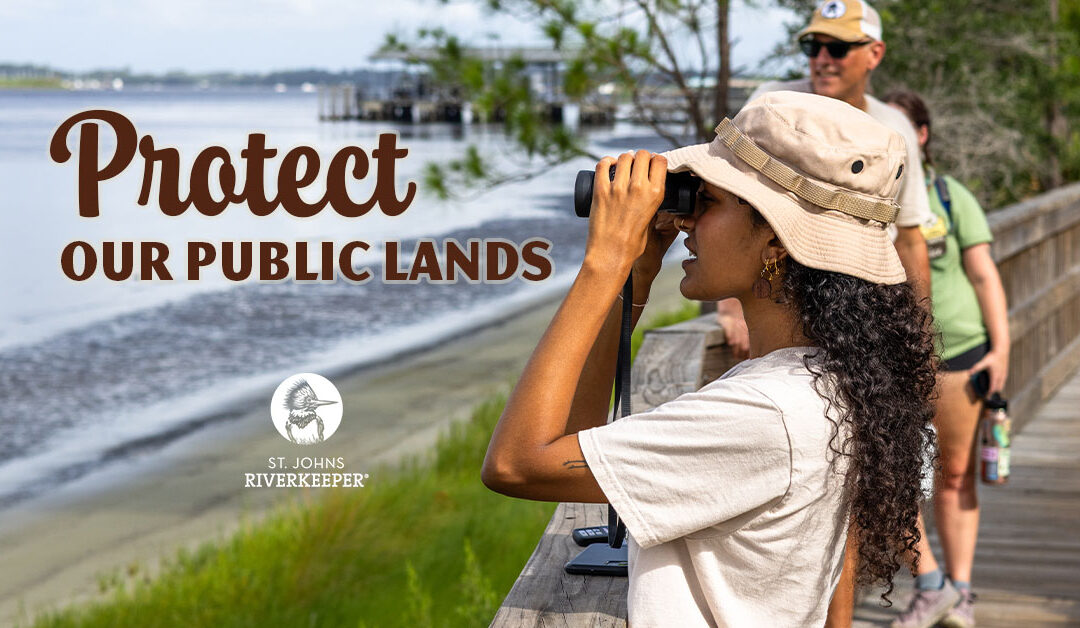
We Must Protect Our Public Lands
Protect Our Public Lands St. Johns RIVERKEEPER is currently leading the Protect Our Public Lands Passport challenge, in celebration of National Public Lands Day on September 26. According to the Florida State Parks Foundation, in 2025 alone, Florida State Parks and...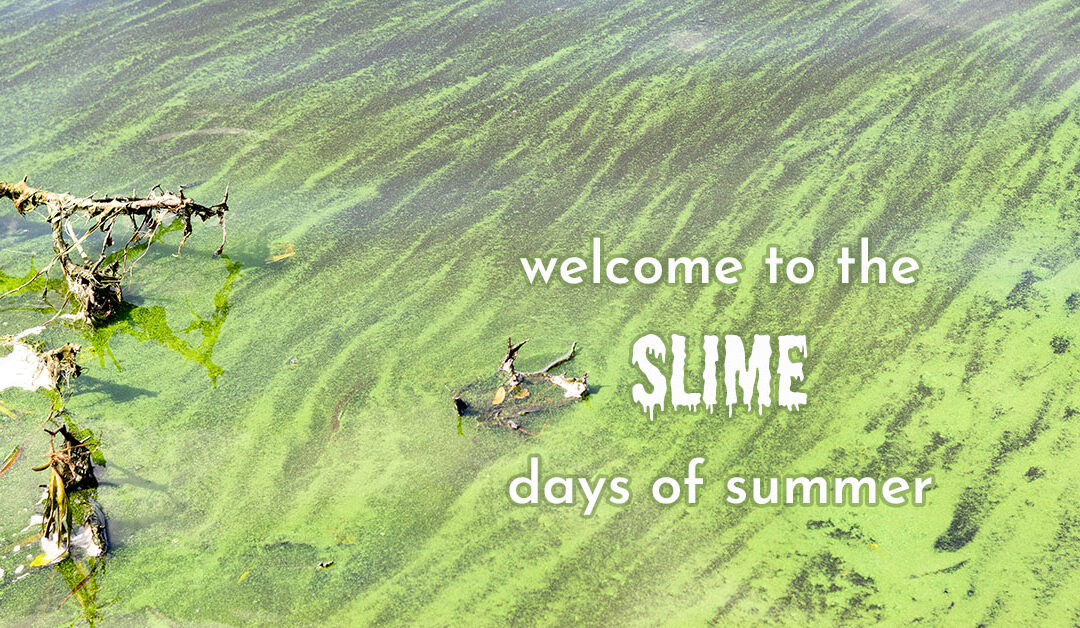
Welcome to the Slime Days of Summer
In the heat of late summer, many Florida waterways are coated with fluorescent green slime that can be highly toxic to humans and wildlife. Excess nitrogen and phosphorus pollution driven by agricultural runoff, sewage discharges, and excess fertilizer use trigger...
Empowering Citizens: Development in Clay County
The St. Johns River watershed covers an area of nearly 9,000 square miles and is home to over five million people. That number grows each year. Defending the health of our river requires citizen action and involvement. St. Johns Riverkeeper (SJRK) works to empower...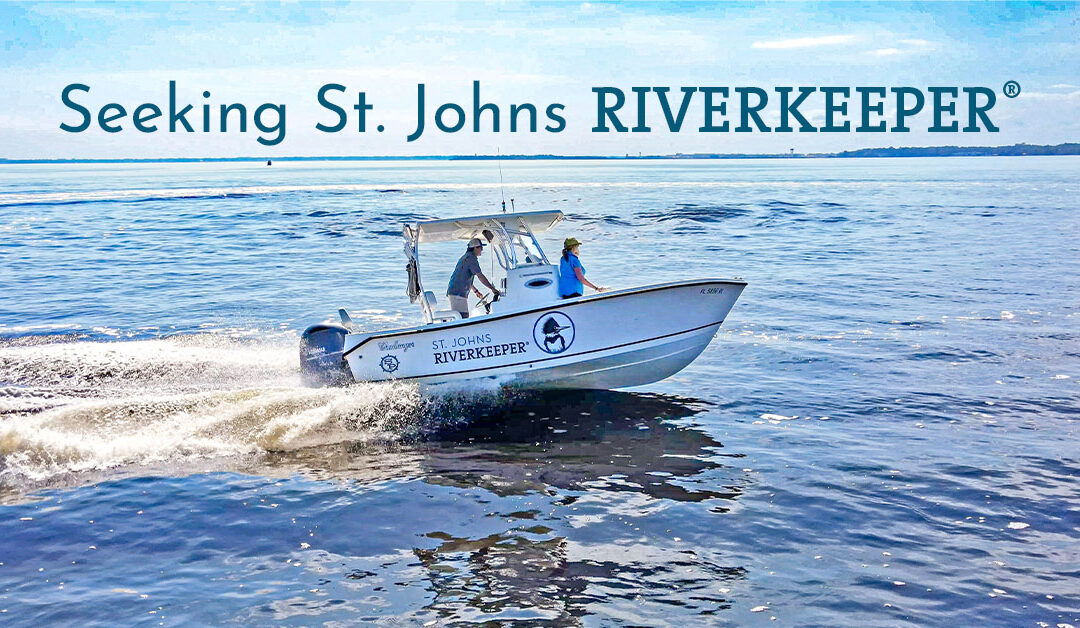
Seeking the Next St. Johns Riverkeeper
The leading advocacy group for the St. Johns River has begun accepting applications for a new St. Johns Riverkeeper. Earlier this summer, Lisa Rinaman, St. Johns Riverkeeper for the past 14 years, announced her plan to step down in the spring of 2027. She will...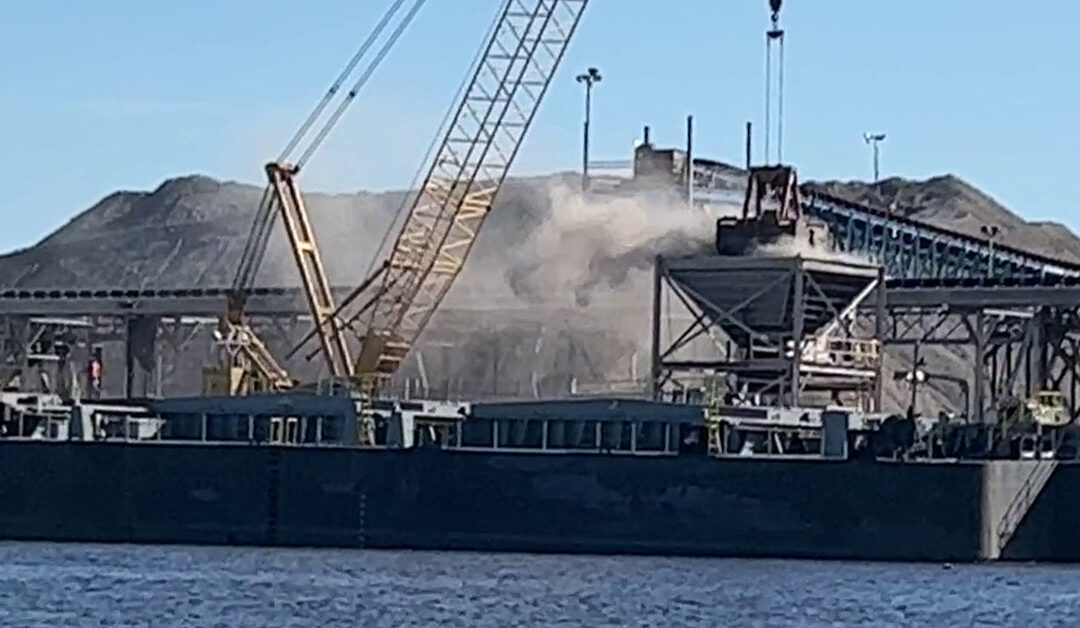
Clean Water Lawsuit Filed Against Keystone Terminal
St. Johns RIVERKEEPER and Public Trust for Conservation Fight to Keep Toxic Coal Ash Out of Our River Represented by the Public Trust for Conservation, St. Johns RIVERKEEPER has filed a Clean Water Act (CWA) and Resource Conservation & Recovery Act (RCRA) lawsuit...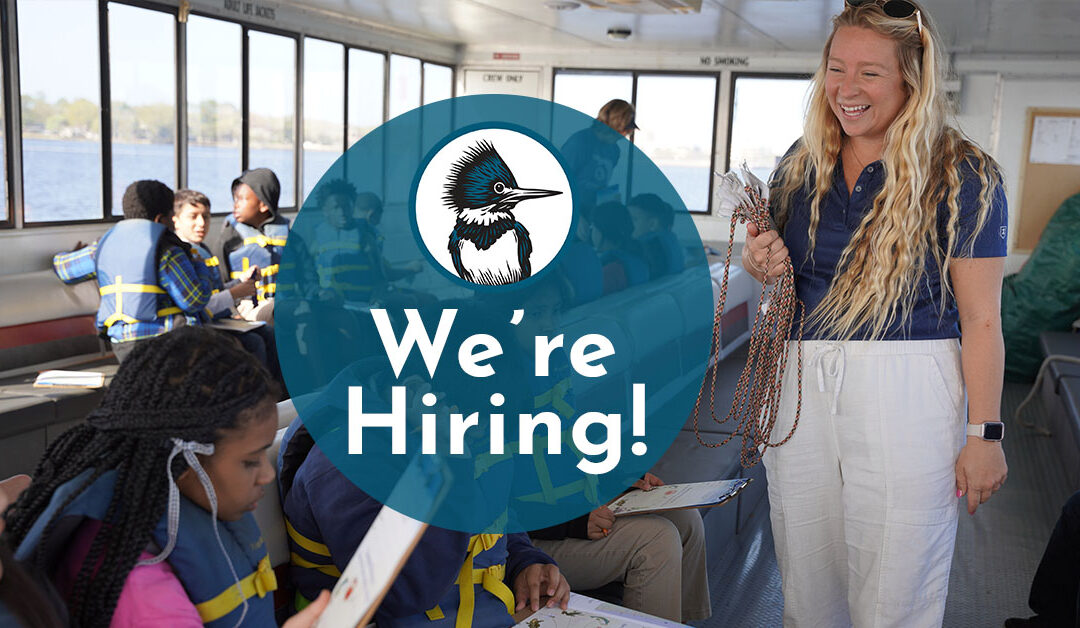
We’re Hiring: Education Coordinator
Looking to grow in your environmental science career and work for an organization making a real difference in our local community? St. Johns Riverkeeper is seeking an Education Coordinator! The person in this role with work with the Education Director and Education...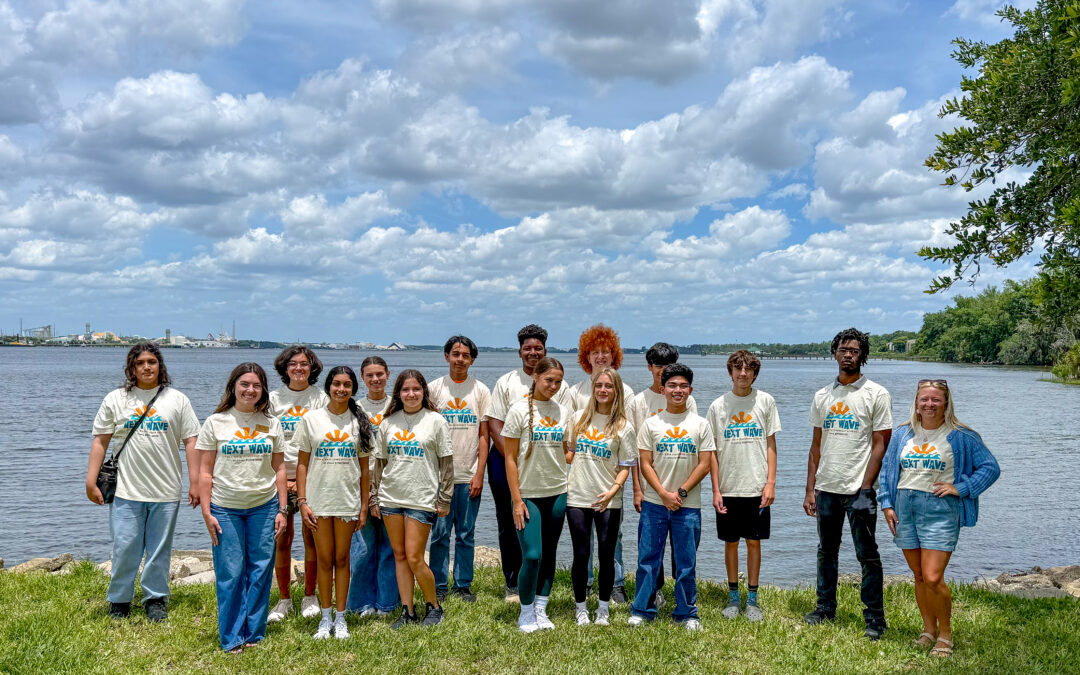
Inaugural Next Wave Leadership Academy
Fourteen high school students spent their summer tackling some of the St. Johns River’s biggest environmental challenges through real-world advocacy projects. As participants in St. Johns RIVERKEEPER’s inaugural Lynda L. Orth Next Wave Leadership Academy,...