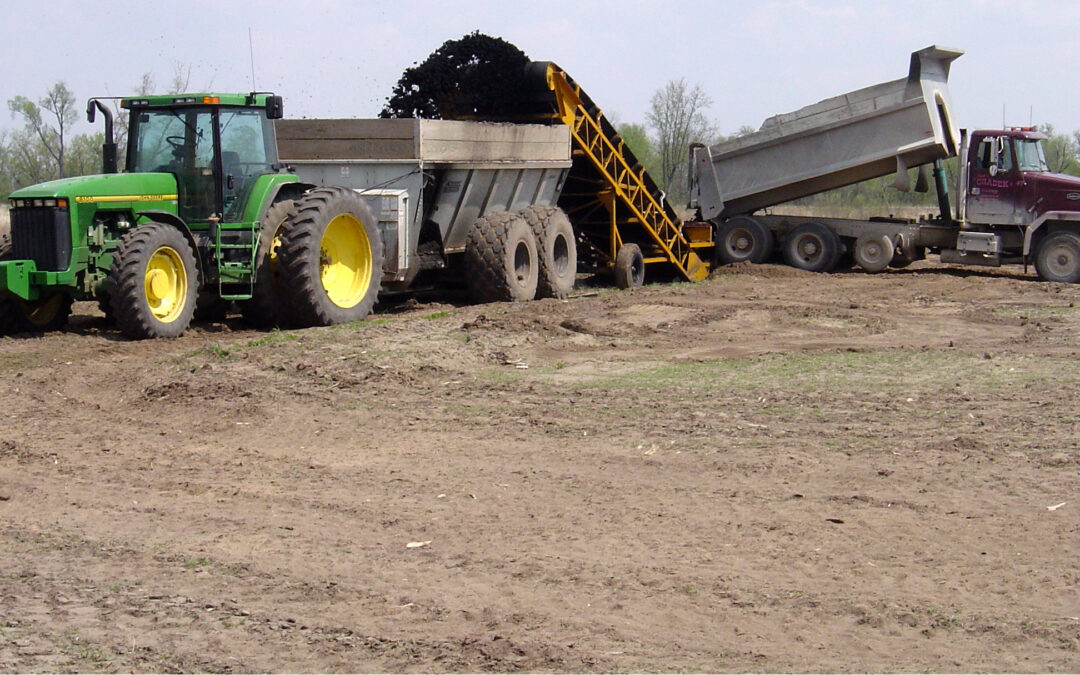
Feb 19, 2026 | Action Alert, Nutrients, Our River, Pollutants, Sewage Sludge, Upper Basin/Headwaters
For nearly two decades, more than 70,000 tons of sewage sludge (aka Class B biosolids) on average has been annually permitted to be disposed of within the Upper Basin of the St. Johns River. Sewage sludge has been harming our river for long enough. It’s time to fix...
Feb 6, 2026 | Community, Habitat Loss and Degradation, Nutrients, Ocklawaha River, Our River, PFAS, Pollutants, Sewage Sludge, Tributaries
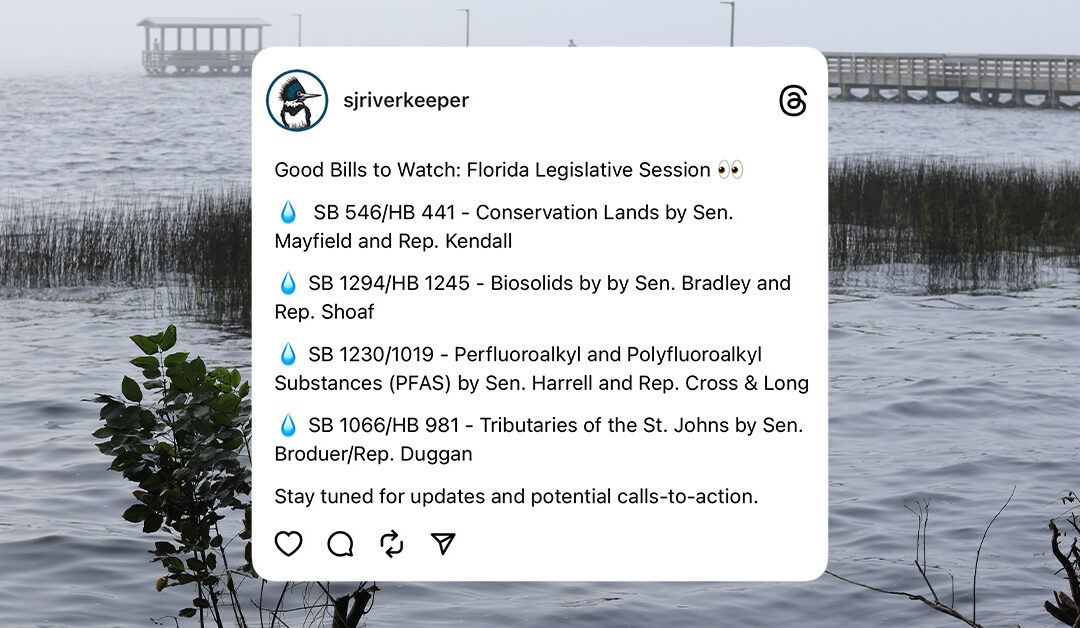
Here are some “good bills” we’re tracking & advocating for in Tallahassee this Florida Legislative Session. These bills made their way through legislative committees this week and will continue through the legislative session: SB 546/HB 441...
Dec 17, 2025 | Nutrients, PFAS, Pollutants, Sewage Sludge
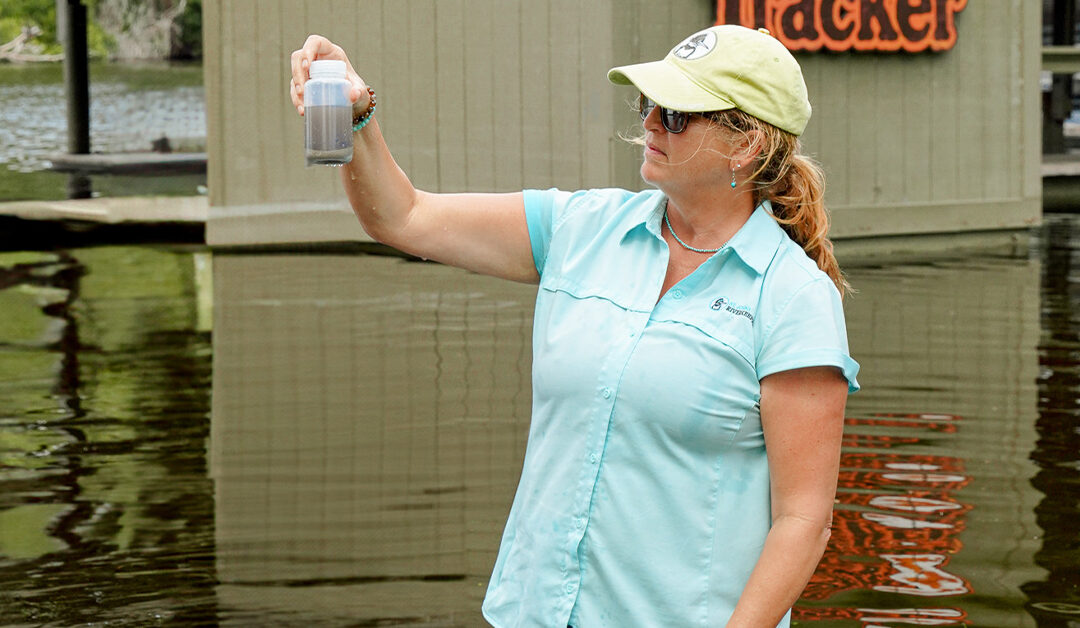
A recent Waterkeeper Alliance monitoring project confirmed per- and polyfluoroalkyl substances (PFAS) are persistent in U.S. waterways. PFAS, or “Forever Chemicals,” are linked to a variety of health effects including cancer, liver and kidney disease, and harm to...
Dec 9, 2025 | Algae, Bacteria, Habitat Loss and Degradation, Nutrients, Ocklawaha River, Our River, Pollutants, Public Access, Resilient Ribault, SAVs, Sewage Sludge, Tributaries
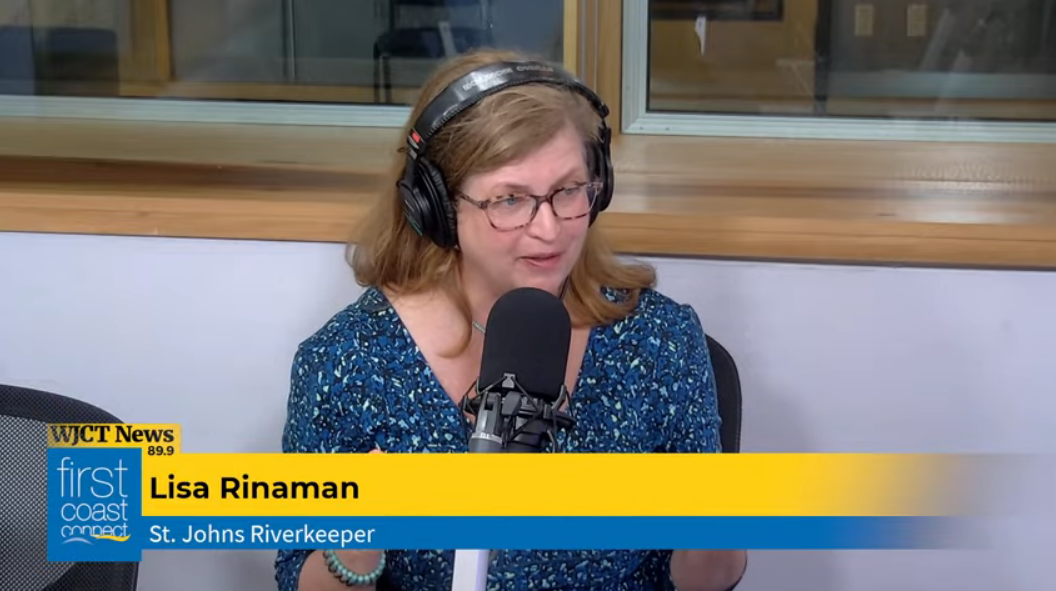
The St. Johns Riverkeeper, Lisa Rinaman, joins adjunct professor for the Department of Biology and Marine Science at Jacksonville University, Dr. Gerry Pinto, for an interview with WJCT’s Anne Schindler focusing on the 2026 Lower St. Johns River Report (view the...