
Climate Change and Our River
Climate Science and the St. Johns
Climate change is one of the most significant long-term threats to the health of the St. Johns River and the communities within its watershed. Projections of future conditions are dire, especially if we do not take actions now to dramatically reduce the greenhouse gas emissions that are warming our planet.
What is Causing Climate Change?
Naturally occurring gases produce a “greenhouse effect” that traps heat from sunlight, keeping the earth warm enough to support life.
However, emissions from burning fossil fuels, landfills, agriculture, and other human activities are trapping excessive heat in the atmosphere. The increased concentration of these gases (primarily carbon dioxide, methane, and nitrous oxide) is resulting in rising temperatures, melting ice, sea-level rise, and extreme weather.
We are already experiencing the effects of climate change, and adapting to the impacts of climate change will only become more challenging and more expensive the longer we wait.
Warming Watershed
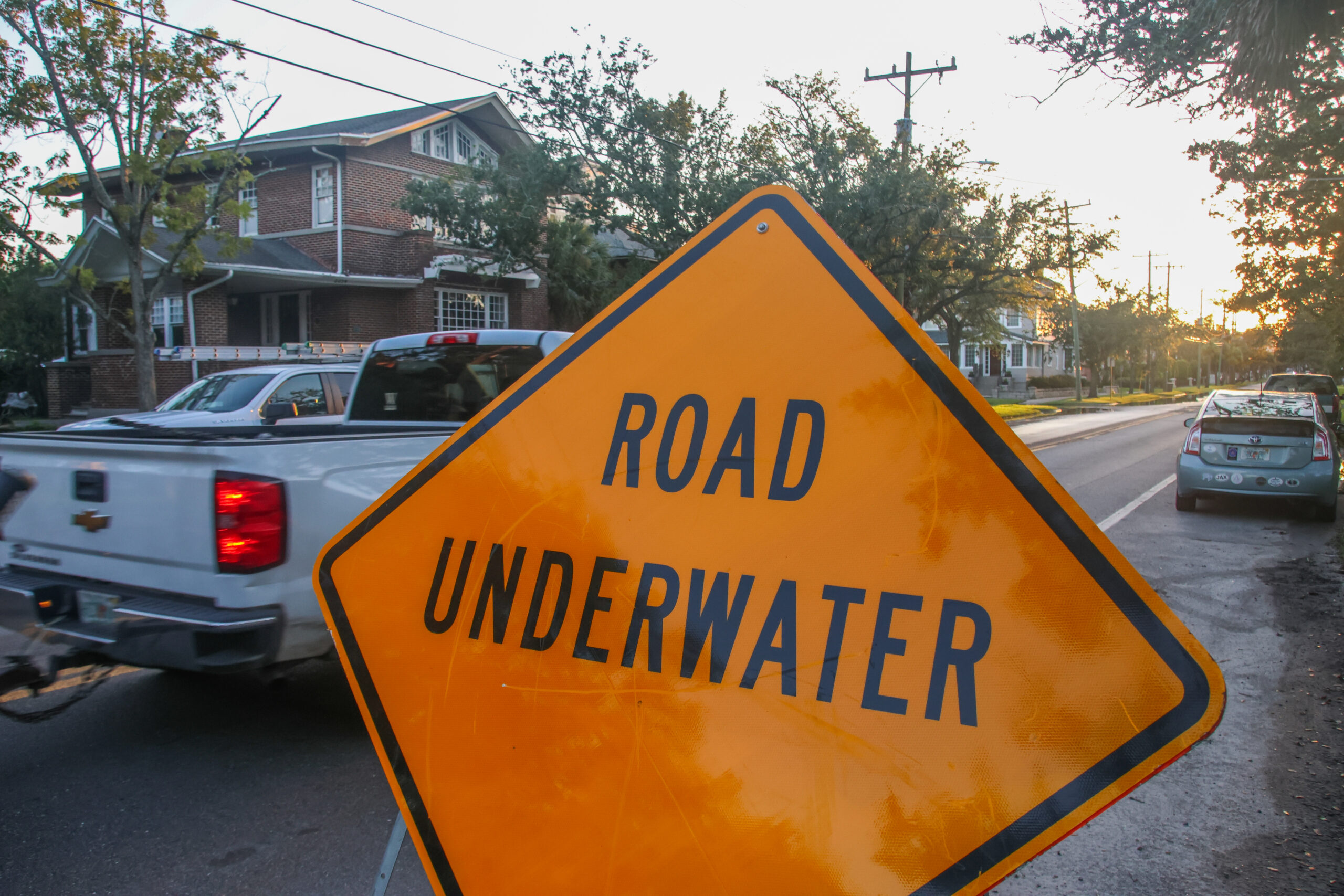
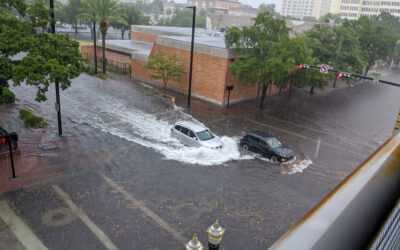
In a warmer world, evaporation from the land and oceans adds more moisture to the air and warmer temperatures allow the air to hold more water vapor. This increased moisture leads to more intense rainfall, especially during extreme events. Warmer water temperatures and more moisture in the air can also fuel more intense hurricanes.
As a result, we will likely experience more frequent flooding and an increase in stormwater runoff, flushing more pollution, sedimentation, and sewage into our waterways.
More pollution and warmer waters will also lead to more frequent algae blooms and more fish kills.
In addition, rising sea levels are making storm surge events worse, causing more septic tanks to fail, pushing saltwater further upstream, and threatening our aquifer with saltwater intrusion.
Higher water levels in the St. Johns also put communities at a greater risk to flooding during storms, and kills submerged grasses due to light depravation. This is occurring now.

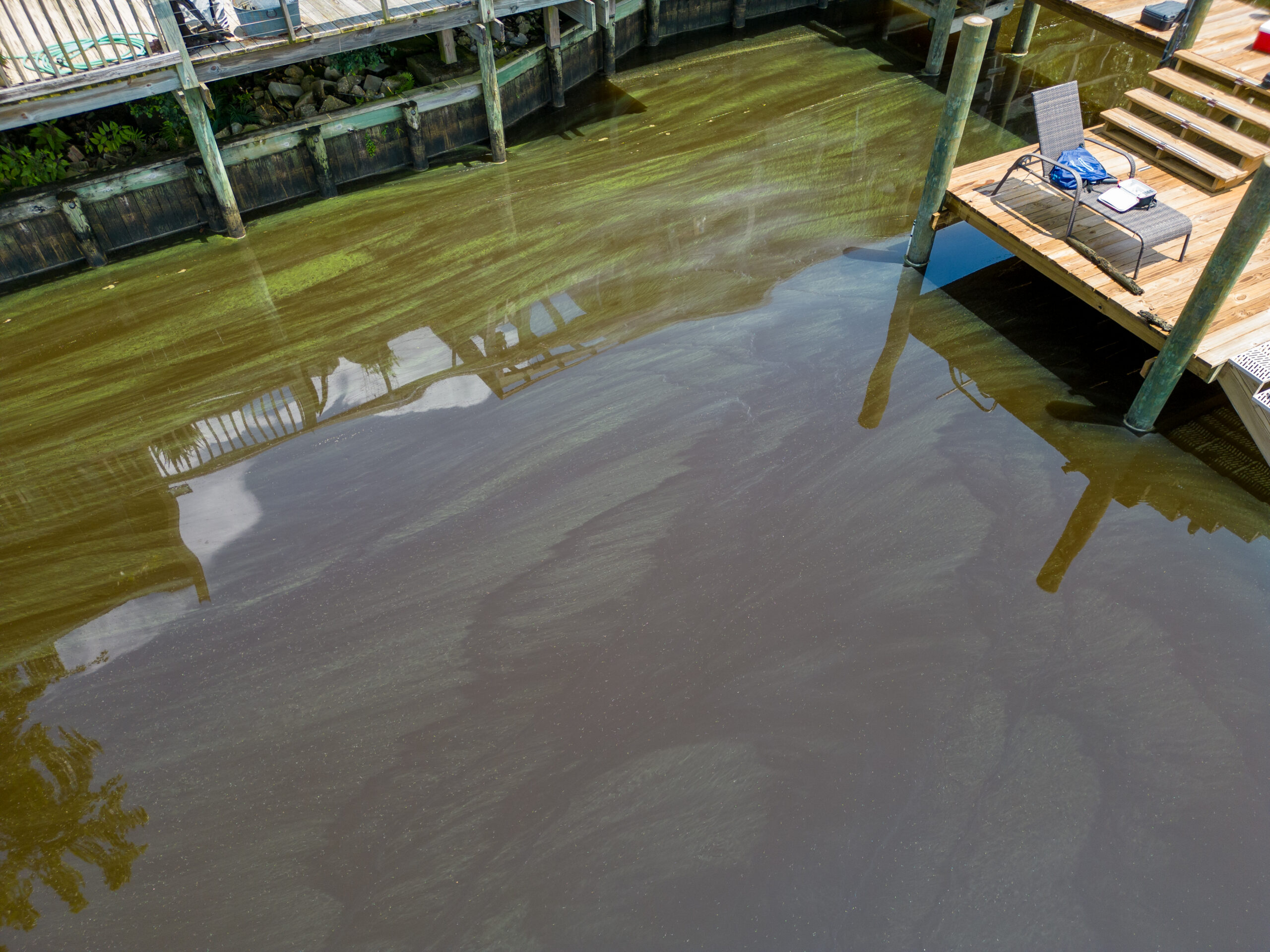
It is critical that have a community conversation about these issues and act now. Otherwise, we will become even more vulnerable as waters continue to rise, flooding becomes more frequent, public infrastructure fails, and our river is further degraded by more sewage and pollution. – Lisa Rinaman, your St. Johns Riverkeeper
Beyond Scientific Dispute
The vast majority of climate scientists (over 97%) have determined that the primary cause of climate change is human activities.
The 2023 Sixth Assessment from the Intergovernmental Panel on Climate Change (IPCC) concluded that it is an “established fact” that human-caused greenhouse gas emissions have “led to an increased frequency and/or intensity of some weather and climate extremes since pre-industrial times.”
A recent report from the National Academies of Sciences, Engineering, and Medicine found the evidence to be “beyond scientific dispute.”
Even fossil fuel companies have understood since the late 1950s that climate change was happening due to increased levels of carbon dioxide in the atmosphere. A 1968 scientific report commissioned by the American Petroleum Institute warned that left unabated, “there seems to be no doubt that the potential damage to our environment could be severe.”
What’s Next?
While the challenges posed by climate change are daunting, know that there is hope and you can make a difference. We have the technology and know-how to significantly reduce emissions. We just need the political will to do so.
Contact your elected leaders and let them know that hurricane supply kits and evacuation plans are not enough. Urge them to protect our families and our river by enacting policies and investing in strategies that will reduce greenhouse gas emissions and create more resilient communities.
We need to ensure that our city and state leaders are taking aggressive steps to reduce Greenhouse Gas (GHG) emissions and adapt to the impacts of a warming planet. This includes investing in green infrastructure, implementing resilience policies, replacing fossil fuel electric generation with renewable energy, and protecting the forests, wetlands and saltmarshes that sequester carbon and protect our communities from flooding and storm surge.
Inaugural Next Wave Leadership Academy
Fourteen high school students spent their summer tackling some of the St. Johns River's biggest...
St. Johns River vegetation still feeling effects of Hurricane Irma
The following is an article by Dr. A. Quinton White, originally published in the Florida Times...
Climate Change and Our River
Even though we have been fortunate so far this year, don’t forget that hurricane season extends...
Stay in the Know
If you care about the holistic well-being of the St. Johns River, be sure to follow along with our work to protect and defend our watershed.