
Protect Our Public Lands
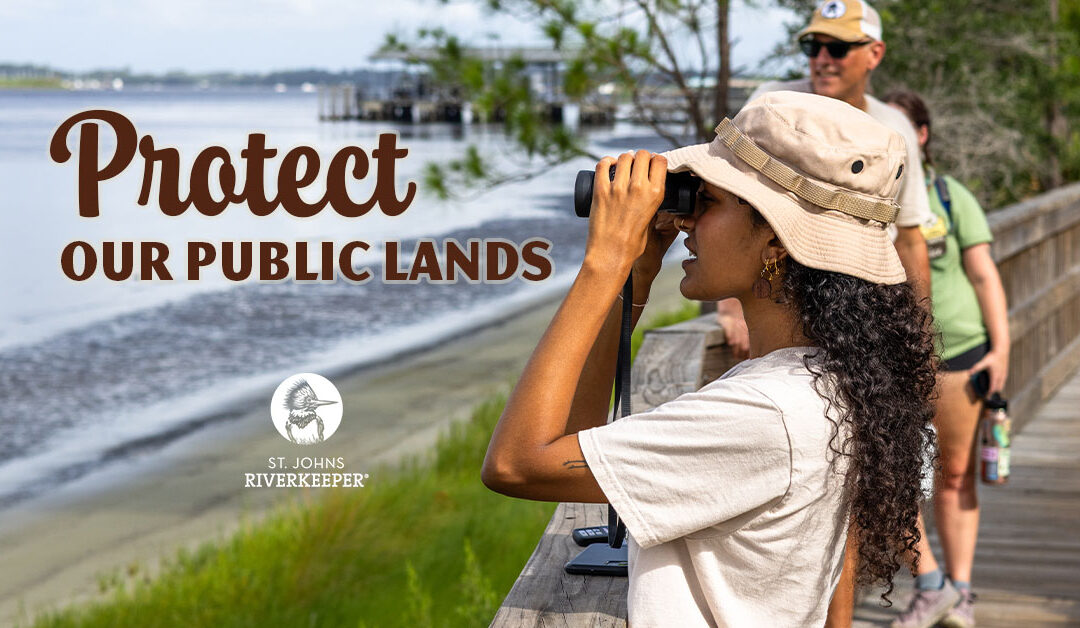
St. Johns RIVERKEEPER is currently leading the Protect Our Public Lands Passport challenge, in celebration of National Public Lands Day on September 26.
According to the Florida State Parks Foundation, in 2025 alone, Florida State Parks and Trails had more than 28 million visitors – generating $3.6 billion in direct economic impact on local economies throughout the state and supporting more than 49,000 jobs.
Many of us visit local parks and public lands on a regular basis, often taking for granted the fact that though these lands have been intentionally preserved and protected, they can still be at risk. Below we share current and past threats to public lands, both local to our watershed and national, to demonstrate the fact that we must all remain vigilant and ready to work together to fight for our public lands when they are threatened by developers – because they are OUR public lands.
 National Forest Roadless Rule – Current Call to Action
The U.S. Forest Service is attempting to rescind the 25-year-old conservation National Forest Roadless Rule in its entirety, removing protections from nearly 45 million acres of wild, unfragmented forest lands across 37 states. This would open these important conservation areas to road construction, logging and other development.
In Florida, eliminating this rule would threaten protected lands in the Ocala National Forest, Osceola National Forest, and Apalachicola National Forest that are critically important for the protection of valuable fish and wildlife habitat, water quality, drinking water, and recreational opportunities. Adjacent to the St. Johns, the Ocala National Forest and its roadless areas directly benefit the health of our river.
The public comment period is open until midnight on October 6, 2026. This is the final opportunity for the public to weigh in via Regulations.gov before the rescission can be finalized.
Make your public comment here and oppose rescinding the roadless rule.
Then, email your representatives in Congress and ask them to pass the Roadless Area Conservation Act (H.R. 3930/S. 2042). This legislation would make protections for these designated ecologically important areas in our national forests permanent – keeping development out for good.
Current National Threats to Public Lands
Grand Staircase-Escalante National Monument
Bears Ears and Grand Staircase-Escalante
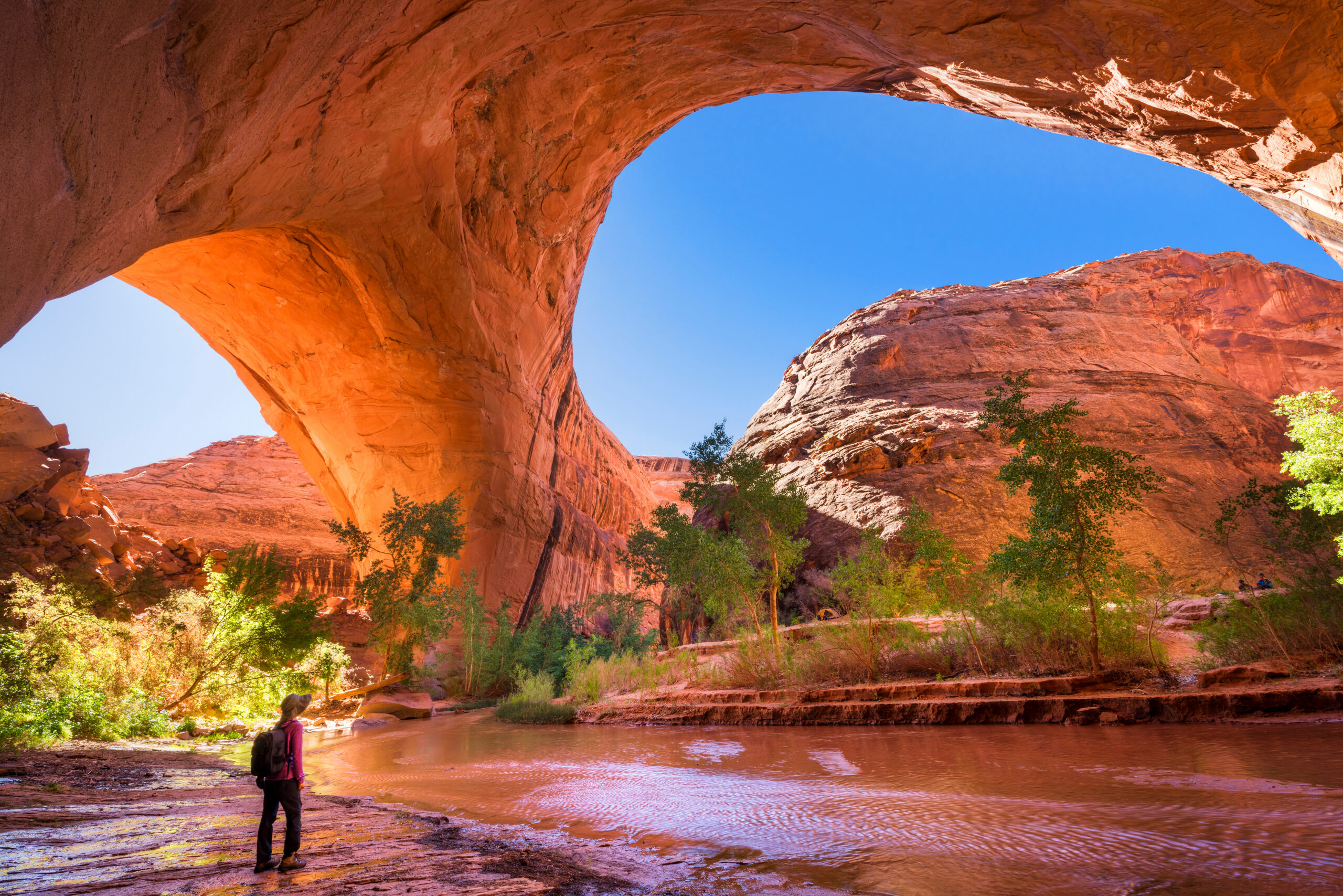
In July, President Trump issued an executive order reducing the size of Bears Ears and Grand Staircase Escalante national monuments in Utah by roughly 90%, removing nearly 3 million acres of protected land. Signage at the entrances of the monuments have also been removed. The tribal nations that consider these lands sacred say they were not consulted, and the tribal group that co-manages the monument with the federal government was dissolved. They are concerned that this decision endangers Indigenous cultural sites, archaeological artifacts, and fragile desert ecosystems.
The order formally takes effect September 11. Several tribal groups and nonprofits and the outdoor apparel company Patagonia have filed lawsuits seeking to overturn the decision.
Yosemite National Park
Proposed Land Swap in Yosemite National Park
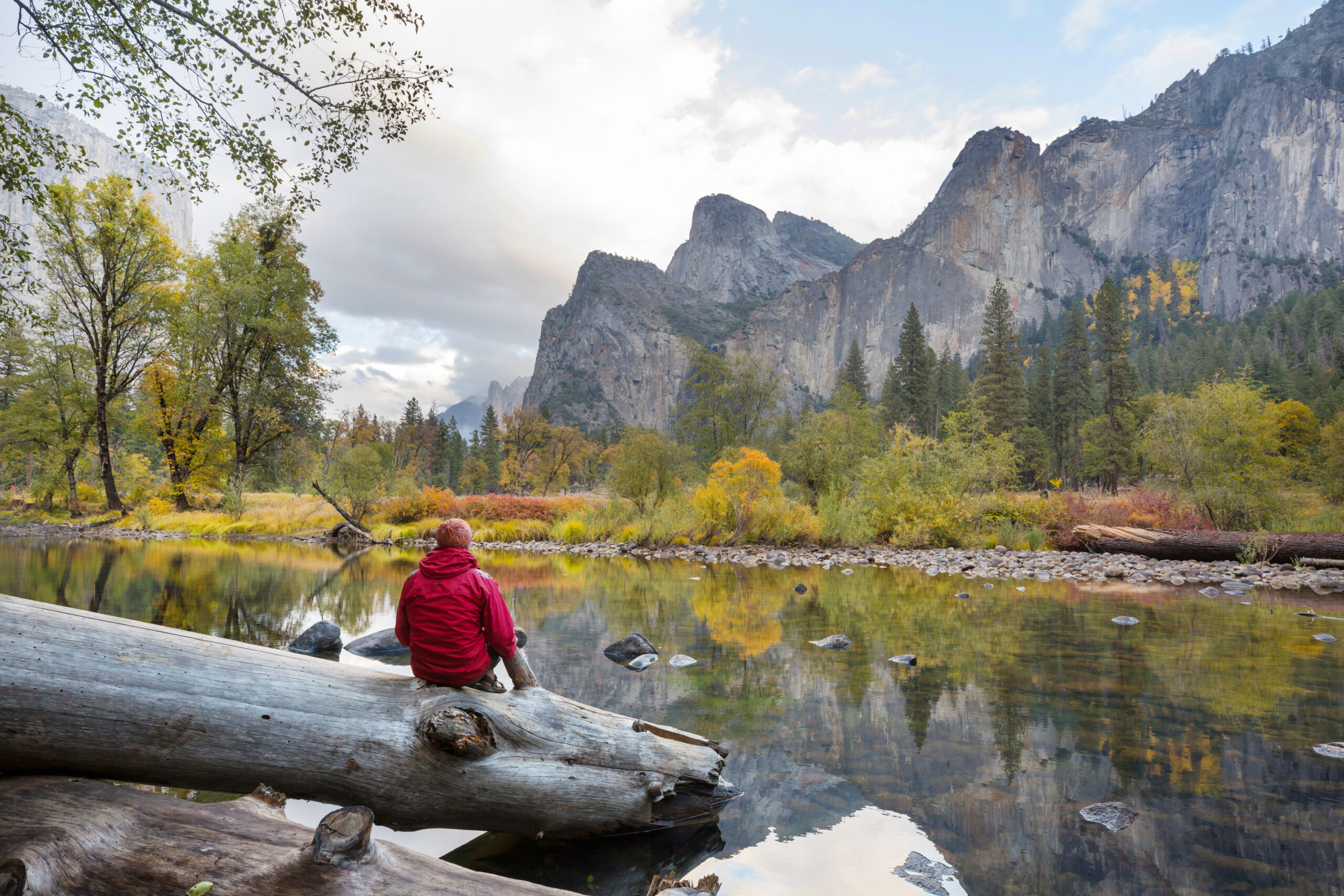
The National Park Service (NPS) has been secretly working with a private equity firm that is seeking an exchange for land within Yosemite National Park in order to build a new access road to the park for its commercial development project. The Interior Department that oversees the NPS said the land swap is a “priority.” Previous owners of the property adjacent to the park have sought the same deal since the early 2000s and failed in court. The current administration is reportedly supportive of the proposal.
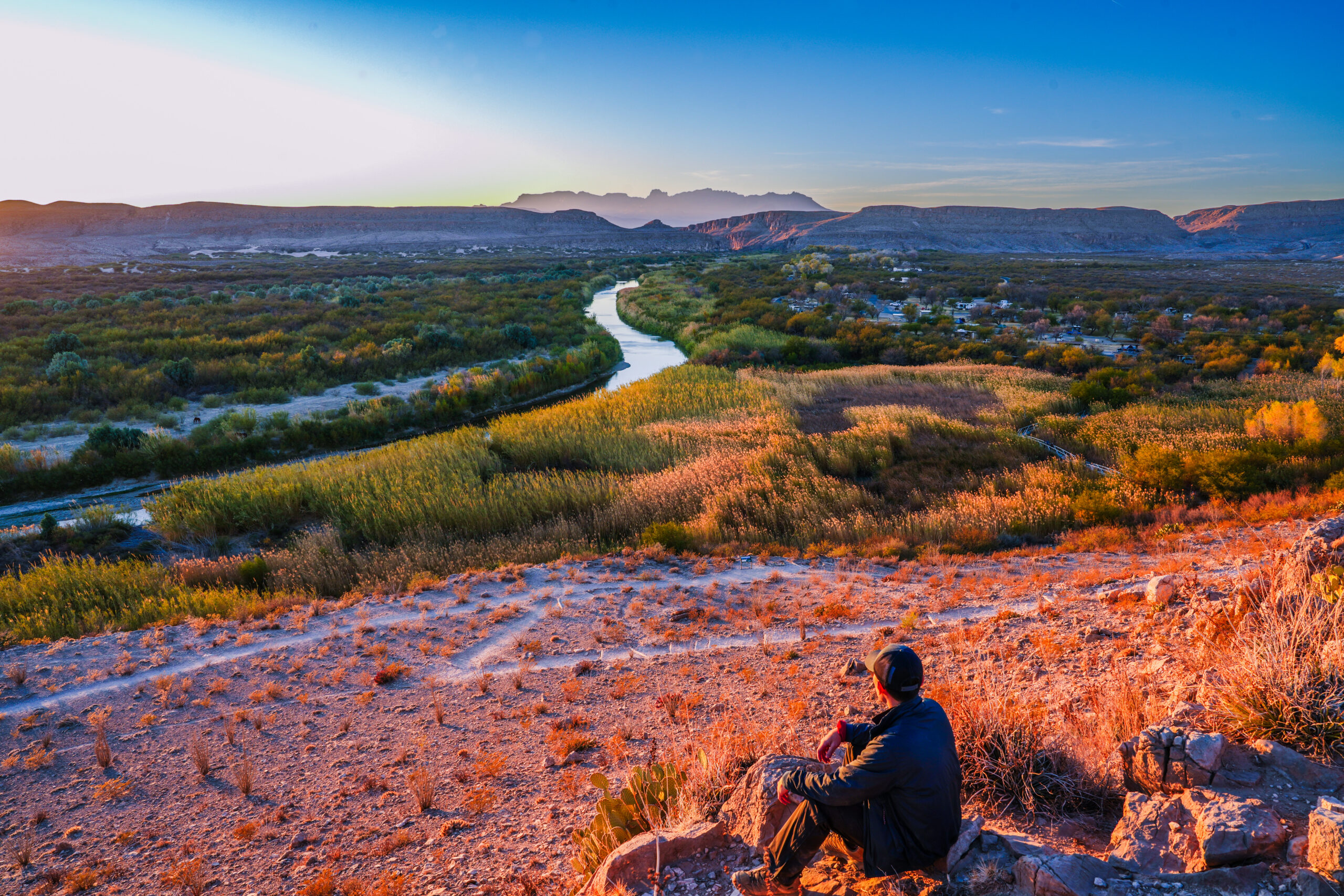
Big Bend National Park
Border Wall in Big Bend National Park
In early August, contractors began bulldozing through an area of the park to build border security infrastructure, destroying important habitat and damaging sensitive ecosystems. The Department of Homeland Security (DHS) waived dozens of federal environmental, cultural, and historic preservation laws to fast-track construction of the $1.7 billion project that would include lighting, surveillance cameras, 17 miles of steel vehicle barriers, and nearly 200 miles of patrol roads.
Due to widespread bipartisan opposition, the project was paused by a federal judge until the end of September to allow for “more public engagement.” The park is particularly important to are residents and the local economy, attracting over 560,000 visitors each year.
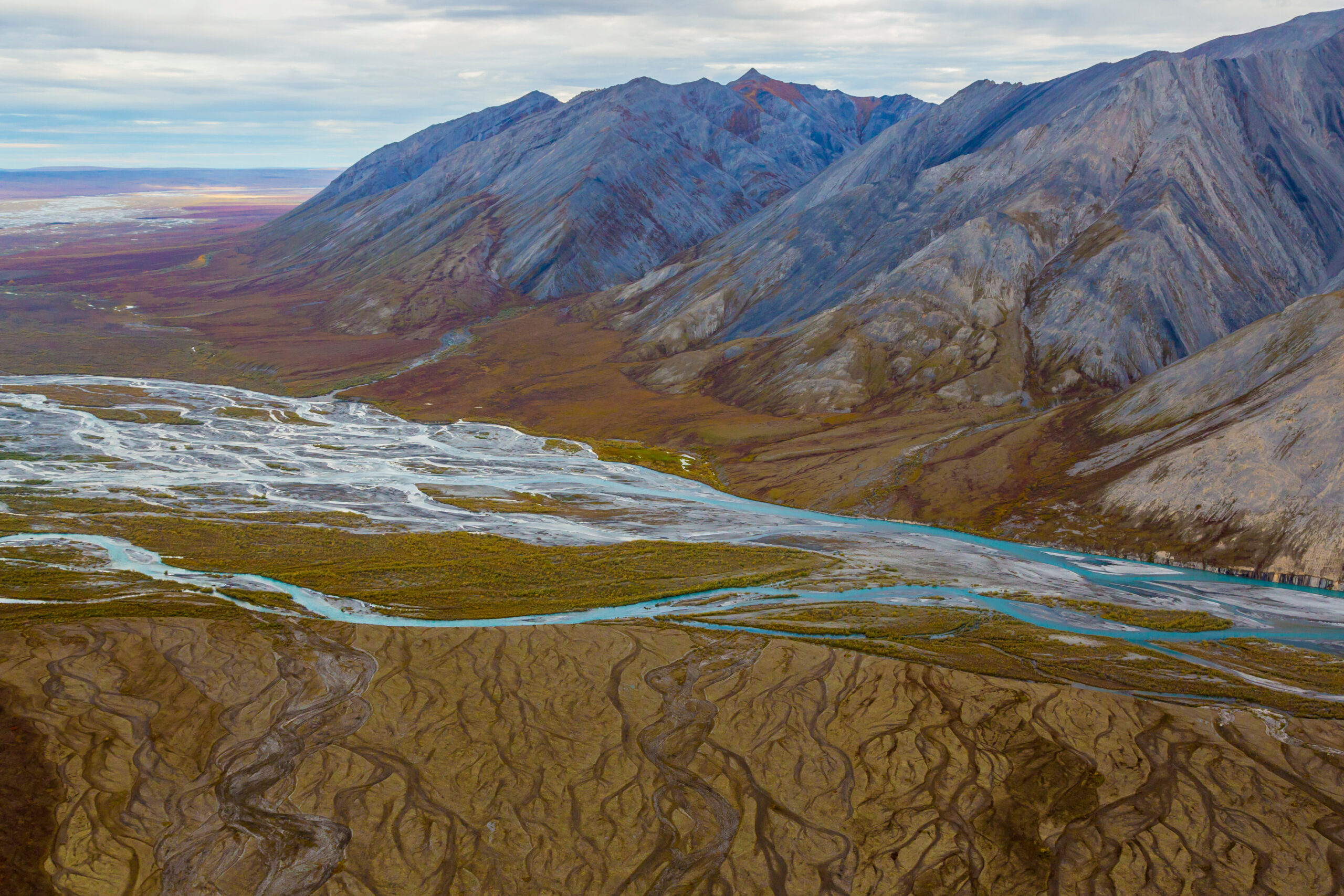
Arctic National Wildlife Refuge- Mountains and Ivishak River
Oil and Gas Leases in the Arctic National Wildlife Refuge
Last year, the Bureau of Land Management (BLM) reinstated canceled oil and gas leases in the Arctic National Wildlife Refuge and are now seeking to remove conservation protections from 13 million acres of Alaska’s Western Arctic. The refuge includes some of the most pristine, untouched lands and waters within the United States, with no roads or marked trails and provides important habitat for Porcupine caribou, denning polar bears, and other wildlife.
New leasing in the refuge has begun, but so far has had limited industry interest. Legal challenges are underway by a broad coalition of indigenous and conservation organizations.
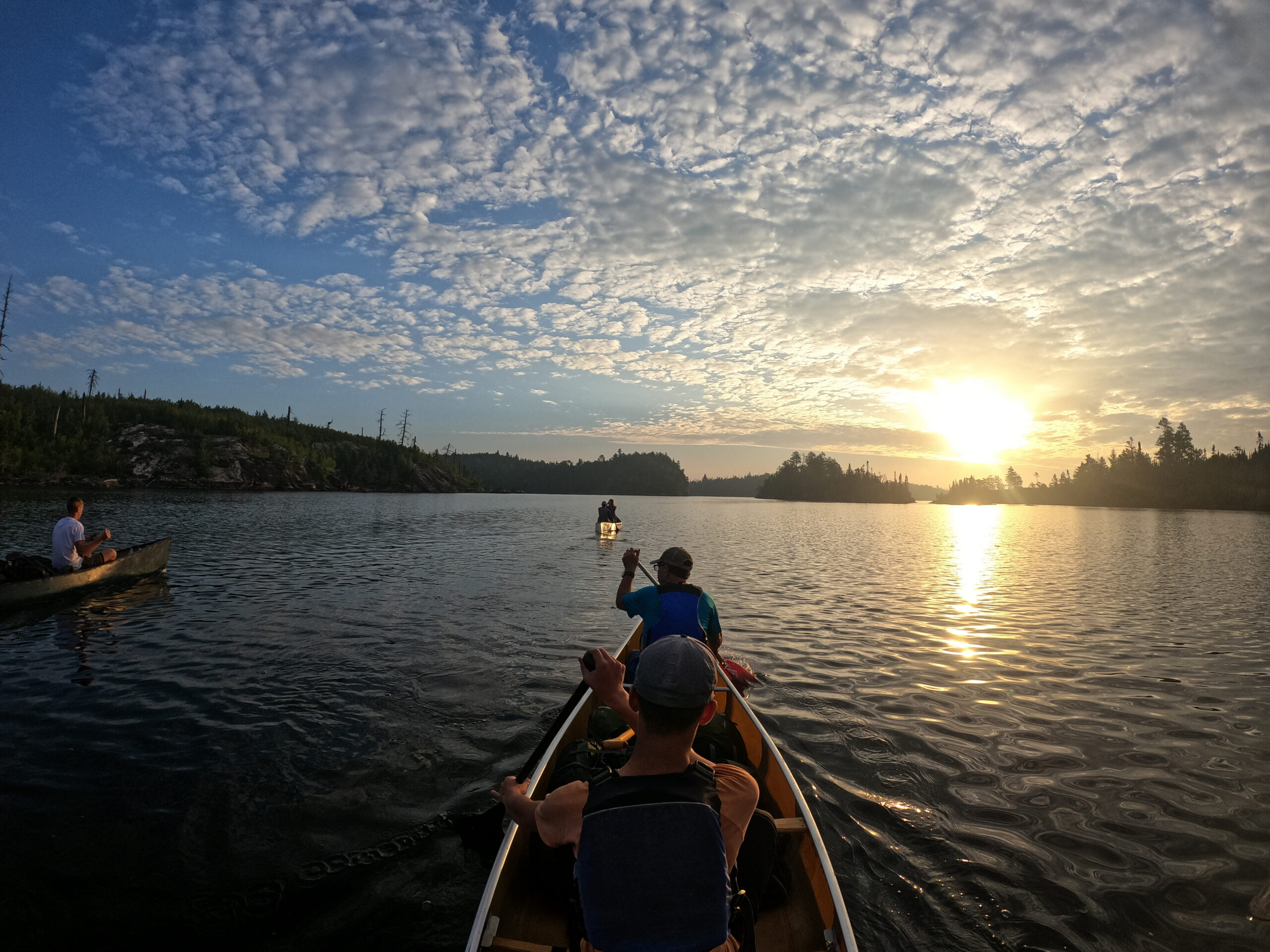
Boundary Canoe Wilderness Area
Boundary Waters Canoe Area Wilderness in Minnesota
In April, President Trump signed a resolution using the Congressional Review Act to overturn a 20-year moratorium on mining and allow a Chilean mining company to seek permits in the Rainy River Headwaters Watershed that flows into the wilderness. Environmental groups are concerned the move will create a precedent for removing protections for public lands across the country. The Boundary Waters Canoe Area is in the national forest just downstream from the mine site, raising concerns that pollution could contaminate one of the nation’s last remaining wild areas.
In August, the Minnesota Governor signed an Executive Order temporarily prohibiting mining near the Boundary Waters Canoe Area Wilderness and directing state agencies to halt all permitting of mining projects in the Rainy River Headwaters Watershed. The Governor said he used his executive authority to protect the area’s waters and wildlife, as well as outfitters, small businesses and communities that rely on those resources.
Recent Threats to Public Lands in Florida and Georgia
 Guana Land Swap Proposed
In 2025, the Florida Department of Environmental Protection (FDEP) proposed a land swap to give a portion of the Guana River Wildlife Management Area to a private company for an undisclosed development project. The proposal involved giving up over 600 acres salt marsh, maritime hammocks and pine flatwoods in exchange for four less desirable parcels of land, three of which were in different counties. Widespread public and political backlash resulted in the developer withdrawing the proposal.
State Parks Open for Business
In 2024, the Florida Department of Environmental Protection proposed adding golf courses, 350-room lodges, pickleball courts and other amenities to nine state parks. An internal document that later emerged showed that administration officials at one point considered amenities at 17 additional state parks, as well. The proposed plans drew condemnation from both Republican and Democratic politicians and sparked protests throughout the state. As a result of the widespread public opposition, Governor Ron DeSantis decided to shelve the plans.
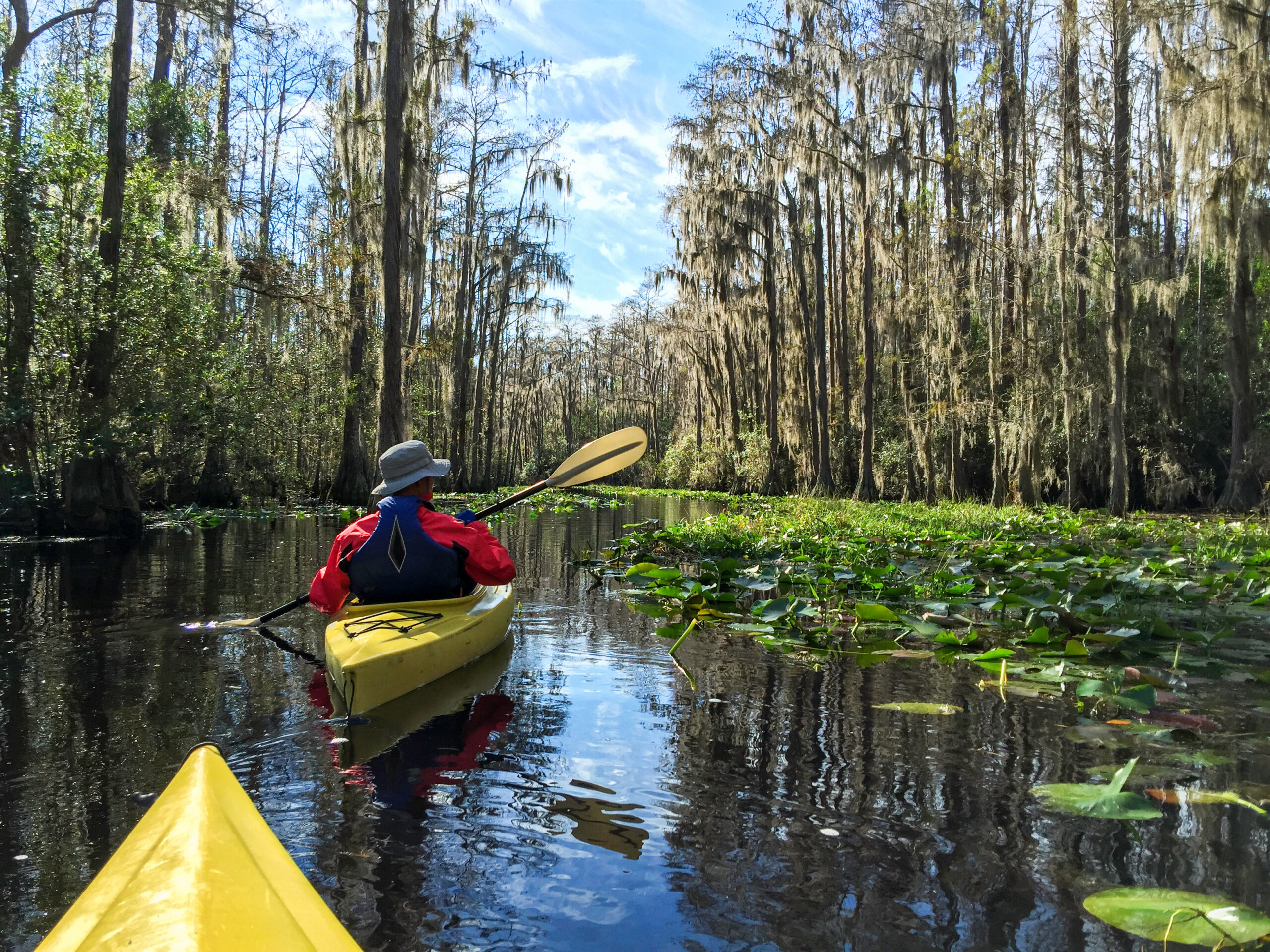
Kayaking in Georgia’s Okefenokee National Wildlife Refuge
Mine Threatens Okefenokee
In 2024, the Georgia Environmental Protection Division issued draft permits to Twin Pines Mineral for a titanium dioxide mine adjacent to the Okefenokee National Wildlife Refuge. The proposed mine would have included 50-foot-deep pits in the ridge that serves as the eastern boundary of the Okefenokee, disrupting wildlife habitat and potentially creating toxic pollution that could threaten the swamp. For six years, nonprofits, small businesses and concerned residents fought to prevent the mine. Last year, The Conservation Fund stepped and bought the land and mineral rights, ending the mining threat and safeguarding the wildlife refuge. In July of 2026, the Okefenokee was designated as an UNESCO World Heritage Site.
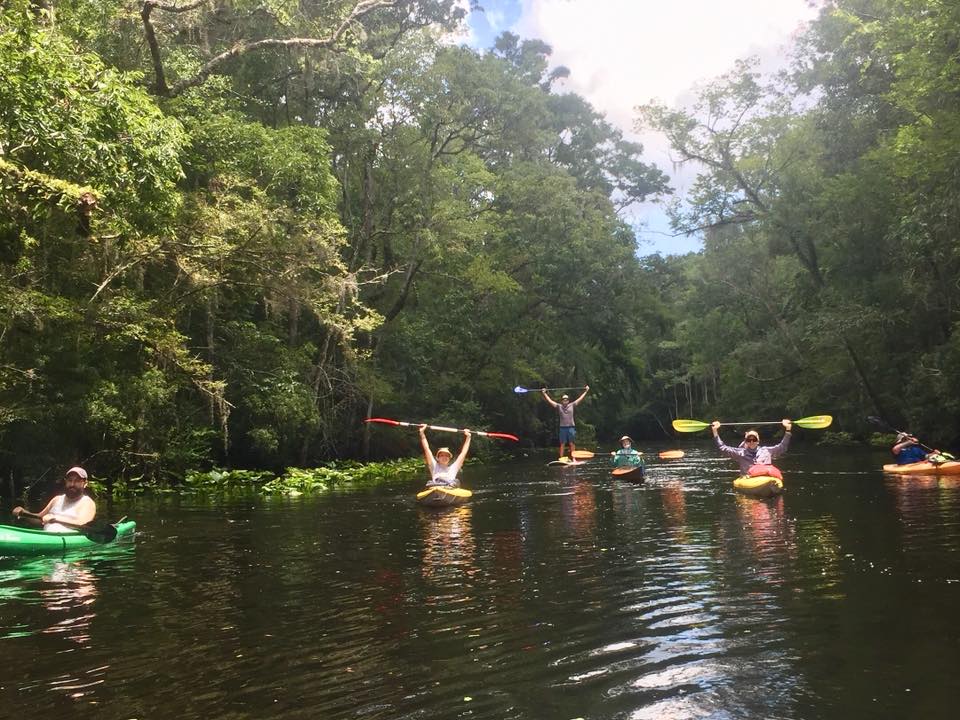
SJRK Paddle on Julington Creek in 2018
Julington-Durbin Preserve Proposed for Housing Development
In 2018, a developer proposed building 1400 homes in the Julington-Durbin Preserve in exchange for property on Black Hammock Island. St. Johns Riverkeeper and a coalition of organizations and individuals organized to oppose the development plans. The groups collected nearly 6,500 petitions from concerned citizens and submitted a letter to Governor Rick Scott expressing opposition to the proposed land swap and development of the Preserve. Within hours of submitting the letter, the developer announced that he was no longer pursuing his development plans for the Preserve and would work with the Florida Department of Environmental Protection to sell the Black Hammock Island property to the state for conservation.
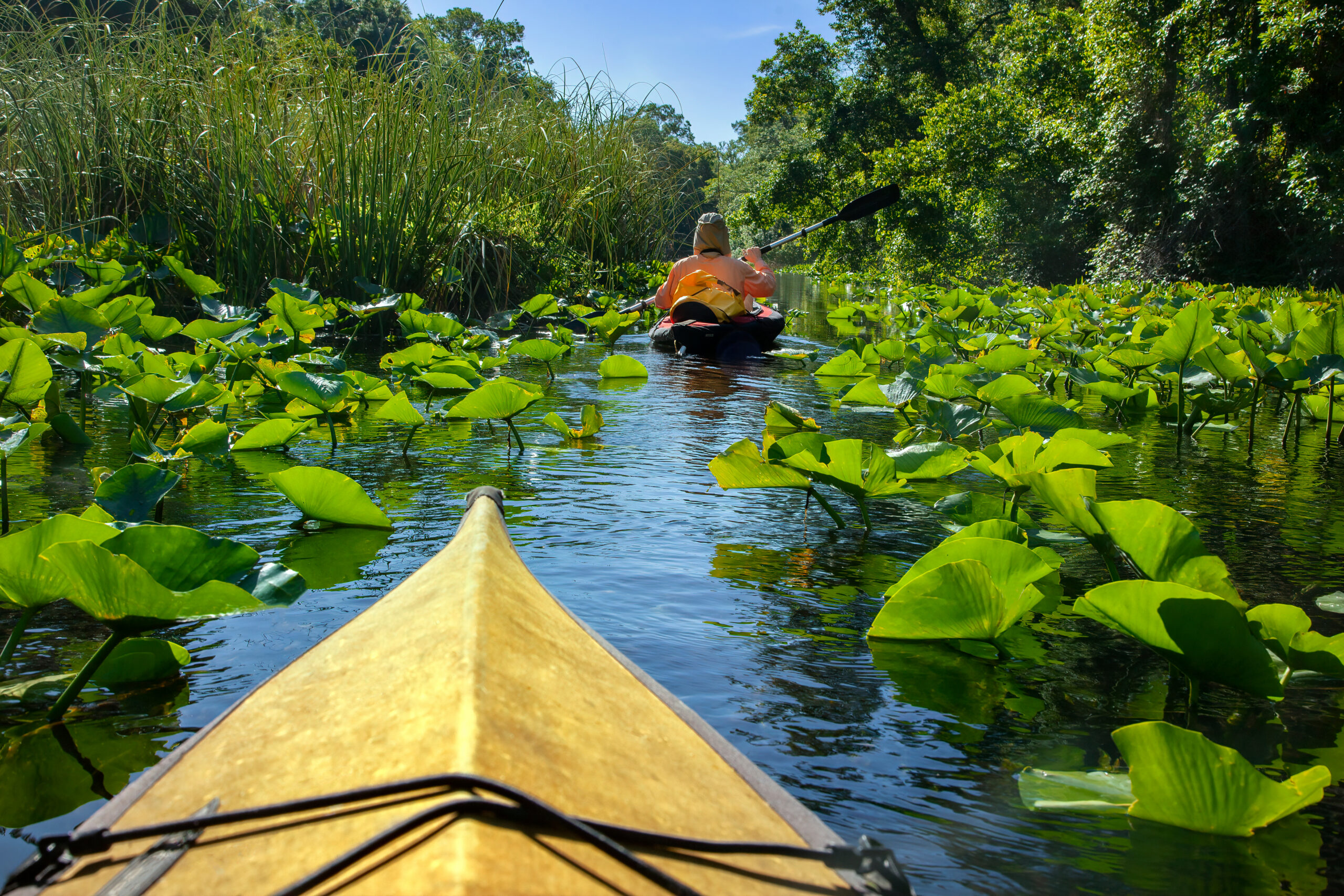
Kayaking on Rock Springs Run
53 State Parks on the Chopping Block
In 2011, 53 Florida State Parks were being considered for closure because of state budget cuts. Several of these parks were within the watershed of the St. Johns River, including Pumpkin Hill Creek Preserve, Ft. George Island Cultural State Park, Dunns Creek State Park, and Rock Springs Run State Preserve. The closures would have amounted to a savings of only about $6.5 million dollars, an amount many estimate to be far less than the economic impact to local communities from the visitors and tourists who visit these parks. In response to public outcry and bipartisan pushback, Governor Rick Scott killed the proposal.
Together We Can Protect Our Public Lands
You may notice a commonality here – when we all work together as Floridians and Americans, we have the power to keep our public lands in public hands. Conserving land and protecting water quality for drinking and recreation is a nonpartisan issue. We all want and deserve wild spaces and clean water.
St. Johns RIVERKEEPER will continue to advocate to protect our public lands, and will notify you when you can take meaningful action. Make sure you’re receiving our monthly newsletter and important alerts here.